 by
by By Dr. Amit Tandon, Senior Consultant Gynaecologist & Robotic Surgeon
Dr. Kamlesh Tandon Hospital – IVF Center & Robotic Surgery Center, Agra
Introduction: When Fibroids Threaten Motherhood
Uterine fibroids, or leiomyomas, are the most common benign tumors of the female reproductive tract, affecting up to 70-80% of women by age 50. While many remain asymptomatic, a significant number cause heavy menstrual bleeding, pelvic pain, pressure symptoms, and, critically, infertility or recurrent pregnancy loss.
For decades, a diagnosis of large or multiple fibroids often led to one devastating recommendation: hysterectomy. For a woman desiring future fertility, this meant the end of her dream of biological motherhood.
Today, fertility-sparing surgery has transformed this narrative. Among the most advanced techniques available is Robotic-Assisted Myomectomy — a procedure that meticulously removes fibroids while reconstructing and preserving the uterus for future pregnancies.
Understanding Myomectomy: The Fertility-Sparing Alternative
A myomectomy is the surgical removal of fibroids from the uterus, with the explicit goal of uterine preservation. Unlike hysterectomy, which removes the entire uterus, myomectomy targets only the fibroids, leaving the reproductive organ intact.
The American College of Obstetricians and Gynecologists (ACOG) recognizes myomectomy as the standard surgical treatment for symptomatic fibroids in women who wish to retain fertility.
There are three primary approaches:
- Open Myomectomy: Traditional abdominal incision. Effective for very large or numerous fibroids but involves significant blood loss, longer hospitalization, and extended recovery.
- Laparoscopic Myomectomy: Minimally invasive, but technically challenging for large, deep, or multiple fibroids due to limited instrument articulation.
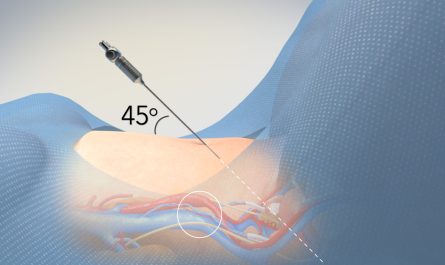
- Robotic-Assisted Myomectomy: The most advanced minimally invasive option, combining laparoscopy’s small incisions with robotic precision.
Why Robotic Myomectomy is Superior for Fertility Preservation
The da Vinci Surgical System, used for robotic myomectomy, offers distinct advantages that directly impact fertility outcomes:
- 3D High-Definition Vision & 10x Magnification: Allows the surgeon to identify and dissect fibroids with unparalleled clarity, even when deeply embedded in the uterine wall. This minimizes damage to surrounding healthy myometrium, which is critical for future implantation and pregnancy.
- Wristed Instruments with 7 Degrees of Motion: Human wrists cannot rotate 360°. Robotic instruments can. This enables precise enucleation of fibroids and meticulous, multi-layered uterine suturing. Strong uterine repair is paramount to reduce the risk of uterine rupture in subsequent pregnancies — a key concern noted in ACOG guidelines.
- Reduced Blood Loss & Complications: Studies published in the Journal of Minimally Invasive Gynecology demonstrate that robotic myomectomy is associated with significantly less intraoperative blood loss compared to open surgery. Lower blood loss reduces the need for transfusion and preserves uterine blood supply, vital for future endometrial health.
- Faster Recovery, Sooner Conception: Patients typically return home in 24-48 hours and resume normal activity within 2-3 weeks, versus 6-8 weeks for open surgery. This allows couples to begin family planning sooner, which is crucial for women of advanced maternal age.
- Lower Risk of Adhesions: Minimally invasive approaches cause less pelvic adhesion formation than open surgery. Adhesions can impair tubal function and fertility, making robotic surgery the preferred route for reproductive preservation.
Clinical Evidence: Robotic Myomectomy and Pregnancy Outcomes
Research supports excellent reproductive outcomes following robotic myomectomy. A 2018 systematic review in Fertility and Sterility found post-myomectomy pregnancy rates ranging from 50-60%, with live birth rates of 40-50%. Crucially, uterine rupture rates after robotic/laparoscopic myomectomy remain low at 0.5-1% when proper multilayer closure is performed.
The European Society of Human Reproduction and Embryology (ESHRE) recommends that fibroids distorting the uterine cavity be removed to improve fertility outcomes. Robotic surgery enables removal of even submucosal and intramural fibroids with precision, restoring the uterine cavity architecture essential for implantation.
Who is an Ideal Candidate for Robotic Myomectomy?
You may be a candidate if you:
- Have symptomatic fibroids and desire future fertility
- Experience recurrent pregnancy loss with fibroids as a contributing factor
- Have fibroids >5cm or those distorting the endometrial cavity
- Have been advised hysterectomy but wish to explore uterus-sparing options
Each case requires individualized assessment. Factors like fibroid number, size, location, and patient age determine the optimal surgical approach.
Why Choose Dr. Amit Tandon for Robotic Myomectomy?
- Dual Expertise: Gynaecology Meets Robotic Precision
Dr. Amit Tandon, M.S., is a Senior Consultant Gynaecologist and a certified Robotic Surgeon. This rare combination ensures that your surgery is planned with both reproductive endocrinology and advanced surgical technology in mind. He understands not just how to remove a fibroid, but how to reconstruct a uterus capable of sustaining a pregnancy. - Proven Fertility-Focused Outcomes
With 100+ robotic gynecological surgeries performed in the last 9 months alone, Dr. Tandon has extensive experience in complex myomectomies for fertility preservation. His expertise extends to cases deemed “inoperable” elsewhere, including the recent successful removal of 102 fibroids with complete uterine preservation. - IVF Integration for Comprehensive Care
As part of a leading IVF center, Dr. Tandon collaborates closely with fertility specialists. For patients requiring assisted reproduction post-myomectomy, this integrated approach ensures seamless transition from surgery to conception — all under one roof. - Commitment to Uterus-Sparing Philosophy
Dr. Tandon’s surgical philosophy is clear: “A hysterectomy should be the last resort, not the first option.” Every surgical plan prioritizes conservation of reproductive organs whenever medically feasible.
Why Choose Dr. Kamlesh Tandon Hospital, Agra?
- Agra’s First Dedicated Gynae Robotic Surgery Center
We house North India’s most advanced SSi Mantra Robotic Surgical System, specifically calibrated for complex gynecological procedures. Our OT is equipped with 4K-3D imaging and real-time ICG fluorescence for enhanced surgical safety. - Integrated IVF & Robotic Surgery Ecosystem
Unlike standalone surgical centers, we are a complete reproductive health institute. From diagnosis, robotic myomectomy, to IVF and antenatal care — your entire fertility journey is managed by one expert team. This continuity improves outcomes and reduces patient stress. - Benchmarks in Patient Safety & Blood Conservation
Our protocols include cell salvage technology, uterine tourniquets, and vasopressin use to minimize blood loss during myomectomy. ICU backup, 24×7 blood bank, and experienced anesthetists ensure safety in even the most complex cases. - Ethical, Transparent, Evidence-Based Care
We follow ACOG, ESHRE, and ISAR guidelines for all fertility-preserving surgeries. Every patient receives detailed counseling on risks, benefits, and alternatives. Our success is measured not just in fibroids removed, but in families created.
Conclusion: Your Uterus, Your Choice, Your Future
A diagnosis of uterine fibroids is not the end of your fertility journey. With robotic myomectomy, preservation of your uterus and future motherhood is not just possible — it is the standard of care.
If you have been advised hysterectomy or are struggling with fibroid-related infertility, a second opinion could change your life.
Take the first step towards preserving your fertility.
Consult Dr. Amit Tandon
Dr. Kamlesh Tandon Hospital – IVF Center & Robotic Surgery Center
Lajpat Kunj, Agra
Helpline: 0562-2525369, 7078432277
Website: [Insert Website URL]
Disclaimer: Surgical outcomes vary based on individual patient factors. Myomectomy does not guarantee future pregnancy. All patients should undergo thorough evaluation and counseling. For medical advice, consult a qualified specialist. This article is for public awareness only.
References:
- American College of Obstetricians and Gynecologists. ACOG Practice Bulletin No. 228. Obstet Gynecol. 2021
- Bhave Chittawar PB, et al. Robotic versus laparoscopic myomectomy. J Minim Invasive Gynecol. 2015
- Pundir J, et al. Fertility outcomes following myomectomy. Fertil Steril. 2018
- European Society of Human Reproduction and Embryology. ESHRE Guideline: Uterine Fibroids. 2023