 by
by As a gynecologist and robotic surgeon at Dr. Kamlesh Tandon Hospital, IVF Center, and Robotic Surgery Center in Agra, Dr. Amit Tandon emphasizes the importance of informed patient care, especially regarding procedures like episiotomy.
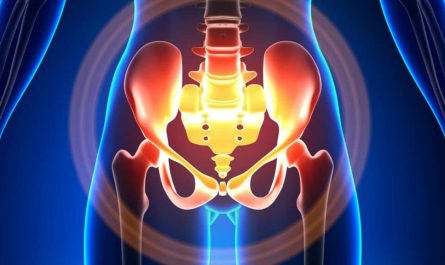
An episiotomy is a surgical incision made in the perineal body during childbirth to widen the vaginal opening for delivery. According to the American College of Obstetricians and Gynecologists (ACOG), episiotomy use has decreased over the years due to evidence suggesting that routine episiotomy does not necessarily prevent perineal trauma and may be associated with increased risk of complications.
Indications and Types of Episiotomy
Episiotomy is typically performed when there is a need to expedite delivery for maternal or fetal reasons, such as fetal distress or when a large baby is being delivered. There are two main types of episiotomy: midline (median) and mediolateral. The midline episiotomy is more common but may be associated with a higher risk of third- and fourth-degree perineal tears, while mediolateral episiotomies are thought to reduce this risk but may be associated with more blood loss and postoperative pain.
Procedure and Repair
The procedure involves making a controlled incision in the perineum at the time of crowning. After delivery, the episiotomy is repaired in layers using sutures. Proper technique and post-procedure care are crucial for minimizing complications such as infection, wound dehiscence, and dyspareunia (painful intercourse).
Complications and Management
Potential complications of episiotomy include perineal pain, infection, and long-term issues like urinary or fecal incontinence and sexual dysfunction. Management involves proper wound care, pain control, and follow-up to address any complications promptly .
Conclusion
Episiotomy is a surgical procedure with specific indications and potential risks. As with any medical intervention, it should be performed judiciously, and patients should be informed about its necessity, procedure, and potential outcomes. Dr. Amit Tandon and his team at Dr. Kamlesh Tandon Hospital prioritize patient education and evidence-based care to ensure the best possible outcomes for mothers and babies.
References:
- American College of Obstetricians and Gynecologists (ACOG). (2016). “Episiotomy.” Committee Opinion No. 668.
- Kettle, C., & Tohill, S. (2011). “Episiotomy: a review of the literature.” British Journal of Midwifery, 19(6), 344-350.
- Carroli, G., & Mignini, L. (2009). “Episiotomy for vaginal birth.” Cochrane Database of Systematic Reviews, (1), CD000081.
- Andrews, V., et al. (2008). “OASIS: a review of the literature.” International Urogynecology Journal, 19(8), 1085-1094.