 by
by Pregnancy is a journey filled with anticipation, but certain placental conditions can introduce uncertainty and risk. Two of the most concerning are a low‑lying placenta (often referred to as “lower placenta”) and placenta previa, a condition in which the placenta partially or completely covers the cervix. Both can compromise maternal and fetal health if not managed appropriately. This article explains these conditions, outlines the available diagnostic and therapeutic options, and explains why Dr. Amit Tandon, a highly experienced gynecologist at Dr. Kamlesh Tandon Hospital, IVF Center, and Robotic Surgery Center in Agra, is the optimal choice for expert care.
What Is a Lower Placenta?
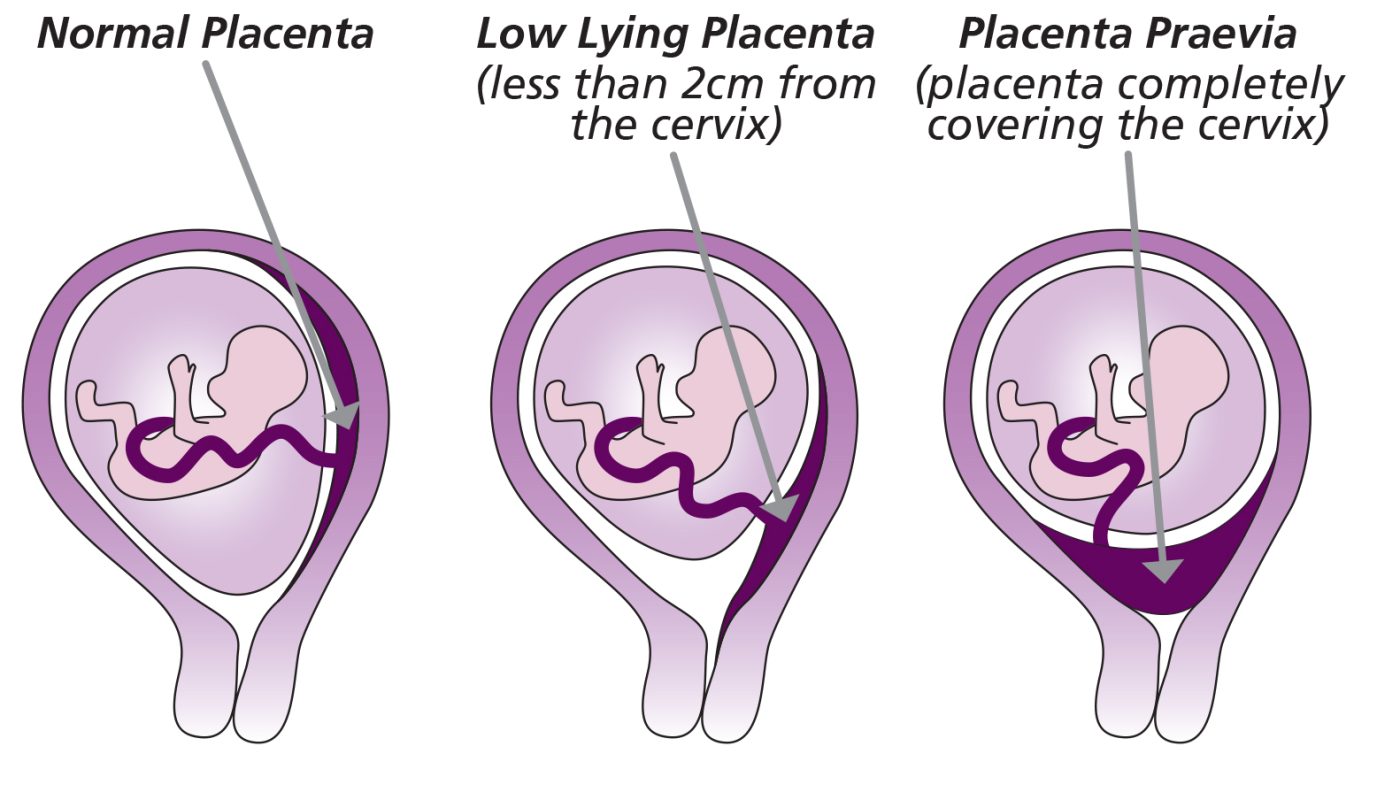
A lower placenta is diagnosed when the placenta implants in the lower uterine segment, close to or over the internal cervical os. In early pregnancy, this finding is relatively common; however, if the placenta remains in this position after 20 weeks of gestation, it is termed placenta previa when it covers the os and low‑lying placenta when it is within 2 cm of the os but does not cover it (1).
Placenta Previa: A Brief Overview
Placenta previa is classified into three types:
- Complete previa – the placenta entirely covers the cervical opening.
- Partial previa – the placenta partially covers the opening.
- Marginal previa – the placenta reaches the edge of the cervix but does not cover it.
The prevalence of placenta previa is approximately 0.3–0.5 % of all deliveries, but the risk rises with advanced maternal age, multiparity, previous cesarean sections, and assisted reproductive technologies (2).
Why These Conditions Matter
Both a low‑lying placenta and placenta previa can lead to:
- Antepartum hemorrhage – bleeding that may be life‑threatening for mother and fetus.
- Preterm birth – often necessitated by bleeding or maternal instability.
- Malpresentation – increased likelihood of breech or transverse lie.
- Need for cesarean delivery – particularly in complete previa.
Early detection and a tailored management plan are crucial to mitigate these risks.
Diagnostic Approach
- Transvaginal ultrasound – the gold standard for assessing placental position after 18–20 weeks.
- Transabdominal ultrasound – useful for initial screening but may underestimate the extent of previa.
- MRI – rarely required but helpful in ambiguous cases or when placenta accreta is suspected.
Dr. Amit Tandon utilizes state‑of‑the‑art ultrasound equipment, ensuring accurate diagnosis and ongoing surveillance throughout pregnancy.
Management Strategies
Management depends on gestational age, severity of bleeding, and placental location:
- Expectant management – close observation, bed rest, and corticosteroids for fetal lung maturation when bleeding is mild and pregnancy is < 34 weeks.
- Scheduled cesarean delivery – typically performed at 36–37 weeks for complete previa or when bleeding becomes significant.
- Blood transfusion and resuscitation – promptly administered if hemorrhage occurs.
- Multidisciplinary care – collaboration with maternal‑fetal medicine specialists, anesthesiologists, and neonatologists to optimize outcomes.
Dr. Amit Tandon’s expertise in both obstetric surgery and reproductive medicine enables him to devise individualized birth plans that prioritize safety while respecting patient preferences.
Why Choose Dr. Amit Tandon?
- Extensive experience – Over a decade of managing high‑risk pregnancies, including complex placenta previa cases.
- Specialized training – Fellowship in minimally invasive gynecologic surgery and advanced obstetric ultrasound.
- Comprehensive care – Access to a fully equipped IVF center and robotic surgery suite, allowing seamless coordination of fertility treatment and obstetric care when needed.
- Patient‑centered approach – Clear communication, thorough counseling, and continuous support from diagnosis through postpartum recovery.
The Hospital Advantage
Dr. Kamlesh Tandon Hospital offers:
- A Level III maternity unit with 24‑hour fetal monitoring and neonatal intensive care.
- An IVF center recognized for its high success rates.
- A robotic surgery platform that enhances precision in cesarean deliveries and other gynecologic procedures.
- A dedicated team of nurses, anesthesiologists, and support staff trained in managing obstetric emergencies.
Call to Action
If you have been diagnosed with a low‑lying placenta, placenta previa, or any other placental abnormality, do not delay. Early consultation with a specialist can make a profound difference in maternal and fetal outcomes. Contact Dr. Amit Tandon’s office today to schedule an appointment:
- Phone: 0562‑2525369 / 2521569
- Mobile: 7078432277, 7819815921 (OPD)
- Email: drkamleshtandonhospital@yahoo.com
Your peace of mind and the health of your baby are our top priorities.
References
- American College of Obstetricians and Gynecologists. “Placenta Previa: Diagnosis and Management.” ACOG Practice Bulletin No. 183, 2022.
- Cunningham, F. G., et al. Williams Obstetrics, 26th ed. McGraw‑Hill Education, 2022.
- Royal College of Obstetricians and Gynaecologists. “Placenta Previa and Low‑lying Placenta.” RCOG Green‑Top Guideline No. 27, 2021.
All information provided is for educational purposes and should not replace professional medical advice.