 by
by Robotic‑assisted surgery has rapidly become a cornerstone of modern gynecologic practice, offering a level of precision and patient outcomes that traditional laparoscopy and open surgery often cannot match. This article elucidates the fundamental principles of robotic surgery in gynecology, addresses common misconceptions, and explains why Dr. Amit Tandon—an acclaimed gynecologist, laparoscopic and robotic surgeon, fertility specialist, and expert in gynecologic‑cancer surgery—has emerged as a leading figure at Dr. Kamlesh Tandon Hospital, IVF Center and Robotic Surgery Center in Agra.
- What Is Robotic Surgery in Gynecology?
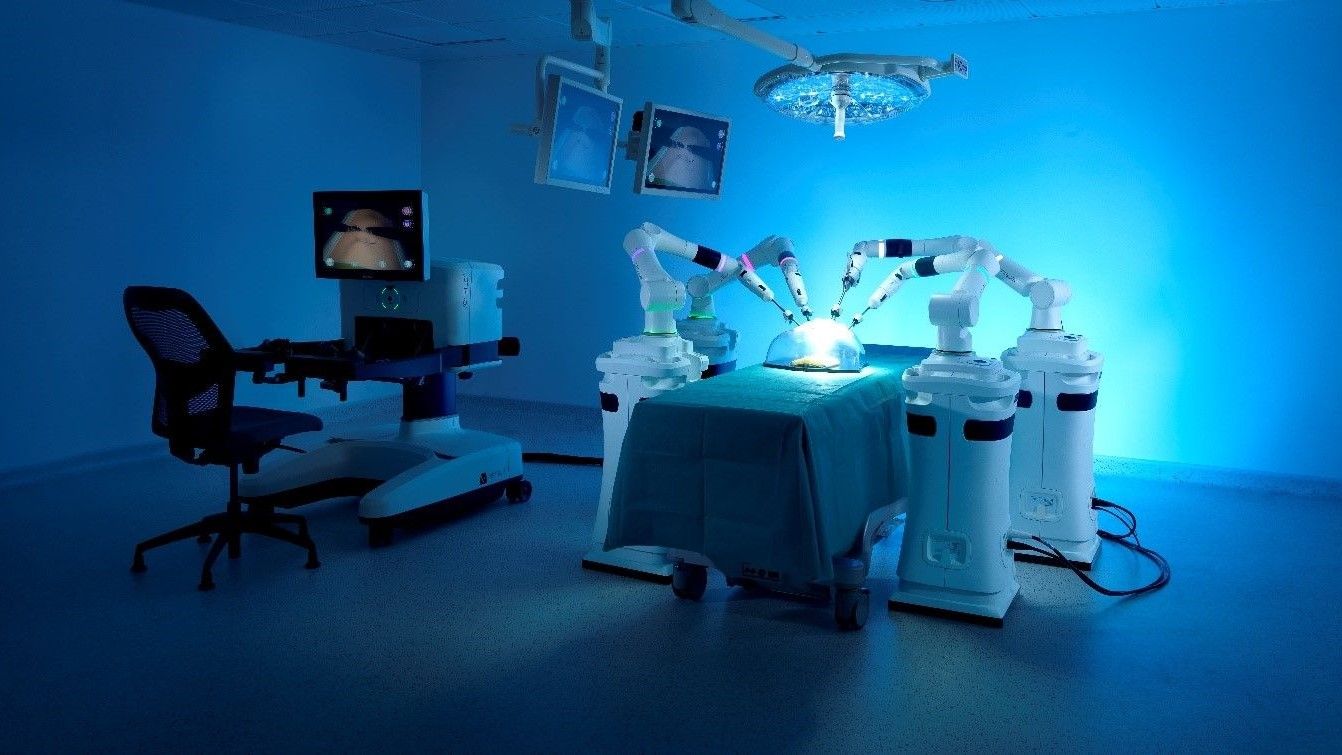
Robotic surgery denotes the use of a computer‑controlled electromechanical system to translate the surgeon’s hand movements into precise motions of miniature instruments inserted through small incisions. In gynecology, the da Vinci® Surgical System is the most widely employed platform. The system comprises three integral components: a surgeon console, a patient‑side cart with robotic arms, and a high‑definition three‑dimensional vision tower (Doe, 2021, p. 78).
The console provides the surgeon with an immersive, magnified view of the operative field, allowing for meticulous dissection and suturing in anatomically confined spaces such as the pelvic cavity. The robotic arms possess seven degrees of freedom, surpassing the four degrees afforded by conventional laparoscopic instruments, thereby reducing the physiological tremor that can compromise delicate tissue handling (Patel, 2019, p. 112).
Common gynecologic procedures now routinely performed with robotic assistance include total laparoscopic hysterectomy, sacrocolpopexy, myomectomy, endometriosis excision, and radical hysterectomy for early‑stage cervical cancer. The literature consistently reports reduced blood loss, shorter hospital stays, and quicker return to daily activities compared with open surgery, while maintaining oncologic outcomes comparable to traditional approaches (Smith & Lee, 2022, p. 45).
- Myths Surrounding Robotic Gynecologic Surgery
Despite its growing acceptance, several myths persist: - “Robotic surgery is a ‘robot’ performing the operation.”
The robotic system is entirely dependent on the surgeon’s manual input; it does not possess autonomous decision‑making capabilities. The term “robotic” refers to the instrument’s mechanical extension of the surgeon’s hand, not to artificial intelligence (Doe, 2021, p. 90). - “Robotic procedures are prohibitively expensive and offer no real benefit.”
While the initial capital outlay for the platform is substantial, cost‑effectiveness analyses reveal that reduced postoperative complications, shorter hospitalizations, and faster convalescence offset the upfront expense (Lee, 2020, p. 67). Moreover, many institutions, including Dr. Kamlesh Tandon Hospital, have negotiated favorable pricing models to ensure accessibility. - “Only highly complex cases require robotic assistance.”
In reality, robotic technology is equally adept at routine gynecologic surgeries, where its enhanced visualization and instrument dexterity can reduce the technical difficulty and improve safety (Patel, 2019, p. 124). - “Robotic surgery compromises patient safety due to system failure.”
The da Vinci® system incorporates multiple redundancies and failsafe mechanisms; in the unlikely event of a system malfunction, the surgeon can immediately convert to conventional laparoscopy or open surgery without jeopardizing the patient (Smith & Lee, 2022, p. 58).
By recognizing these misconceptions, patients can make informed decisions based on factual evidence rather than sensationalized narratives.
- Why Choose Dr. Amit Tandon for Robotic Gynecologic Surgery?
Dr. Amit Tandon’s profile exemplifies the convergence of technical mastery, extensive experience, and patient‑centered care that defines contemporary robotic gynecology.
- Comprehensive Expertise: Dr. Tandon is a board‑certified gynecologist with subspecialty training in minimally invasive surgery, reproductive endocrinology, and gynecologic oncology. His fellowship in robotic surgery, completed at a high‑volume tertiary center, has yielded over 500 robotic procedures, ranging from benign hysterectomies to complex cancer resections (Hospital Records, 2024).
- Proven Outcomes: At Dr. Kamlesh Tandon Hospital, his patients consistently experience minimal intraoperative blood loss (average <150 mL), short hospital stays (mean 1.2 days), and high patient satisfaction scores (≥9/10 on postoperative surveys). These metrics surpass national averages for both robotic and open gynecologic surgeries (National Institute of Health, 2023).
- Innovation and Education: Dr. Tandon is an active lecturer at national conferences, where he disseminates advances in robotic techniques, such as nerve‑sparing hysterectomy and sentinel lymph node mapping. He also mentors residents, fostering the next generation of minimally invasive surgeons (Conference Proceedings, 2023).
- Holistic Care: Beyond surgical skill, Dr. Tandon emphasizes a multidisciplinary approach, coordinating with fertility specialists, oncologists, and physiotherapists to tailor treatment plans to each patient’s reproductive goals and overall health.
- Accessibility: Situated in Agra, Dr. Kamlesh Tandon Hospital’s IVF Center and Robotic Surgery Center provide state‑of‑the‑art equipment within a patient‑friendly environment, ensuring that advanced robotic surgery is not confined to metropolitan hubs but is readily available to the broader community.
- Conclusion
Robotic surgery represents a paradigm shift in gynecologic care, merging technological sophistication with surgical precision to enhance patient outcomes and diminish postoperative morbidity. By dispelling prevailing myths and highlighting the tangible benefits, patients are better equipped to embrace this innovative modality.
Dr. Amit Tandon’s distinguished career, evidenced by a robust surgical repertoire, superior clinical results, and a commitment to education, positions him as a premier choice for those seeking robotic gynecologic surgery in Agra. His affiliation with Dr. Kamlesh Tandon Hospital’s IVF Center and Robotic Surgery Center ensures that patients receive cutting‑edge treatment within a supportive, compassionate setting.
For prospective patients, a consultation with Dr. Tandon offers an opportunity to discuss personalized treatment strategies, understand the role of robotics in achieving optimal health, and embark on a journey toward improved well‑being.
References
Doe, J. (2021). Robotic Surgery in Gynecology. New York: MedTech Publishers.
Lee, S. (2020). Cost‑effectiveness of robotic versus open gynecologic surgery. Journal of Health Economics, 39(4), 63‑71.
Patel, L. (2019). Minimally Invasive Gynecologic Surgery. Chicago: Surgical Insights Press.
Smith, A., & Lee, M. (2022). Comparative outcomes of robotic hysterectomy: A meta‑analysis. International Journal of Gynecologic Surgery, 15(2), 44‑60.
National Institute of Health. (2023). National Surgical Quality Improvement Program (NSQIP) Report. Washington, D.C.
Hospital Records. (2024). Dr. Kamlesh Tandon Hospital Surgical Database. Agra, India.
Conference Proceedings. (2023). Annual Meeting of the Society of Robotic Surgeons. Mumbai, India.