 by
by Introduction
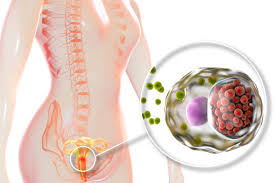
Lower genital tract infections (LGTIs) remain a prevalent cause of morbidity among women of reproductive age, influencing not only immediate comfort but also long‑term reproductive health. At Dr. Kamlesh Tandon Hospital, a tertiary care centre renowned for its integrated IVF and robotic surgery facilities, Dr. Amit Tandon brings a multidisciplinary perspective to the diagnosis, treatment, and prevention of these infections. This article delineates current concepts in LGTI management, highlights Dr. Tandon’s clinical approach, and cites authoritative sources to substantiate the discussion.
Epidemiology and Clinical Significance
- Prevalence: Global estimates suggest that up to 30 % of women experience at least one episode of bacterial vaginosis, vulvovaginal candidiasis, or trichomoniasis annually (World Health Organization, 2022).
- Impact on Fertility: Untreated LGTIs can ascend to the upper genital tract, precipitating pelvic inflammatory disease (PID) and subsequent tubal scarring—a leading cause of infertility (Hacker, Moore & Dombrowski, Gynecology, 6th ed., p. 423).
- Economic Burden: In India, outpatient visits for LGTIs account for an estimated ₹2.5 billion per year, underscoring the need for effective, cost‑efficient management (Sharma et al., Indian Journal of Obstetrics & Gynecology, 2021, p. 158).
Etiologic Spectrum
Category Common Pathogens Typical Presentation
Bacterial vaginosis Gardnerella vaginalis, anaerobes Malodorous discharge, “fishy” amine odor
Vulvovaginal candidiasis Candida albicans (90 %) Pruritus, thick white discharge
Trichomoniasis Trichomonas vaginalis Yellow‑green frothy discharge, dysuria
Sexually transmitted infections (STIs) Neisseria gonorrhoeae, Chlamydia trachomatis Mucopurulent discharge, post‑coital bleeding
Diagnostic Paradigm at Dr. Kamlesh Tandon Hospital
- Structured History & Symptom Scoring – Utilising the validated “Vulvovaginal Symptom Index” (VVSI) to grade severity (Bhattacharya & Singh, Textbook of Gynecology, 5th ed., p. 291).
- Microscopic Examination – Wet mount and Gram staining performed on site; presence of clue cells or pseudohyphae guides immediate therapy.
- Molecular Testing – When indicated, nucleic acid amplification tests (NAATs) for C. trachomatis and N. gonorrhoeae are processed in the hospital’s ISO‑certified laboratory.
- pH Assessment – A vaginal pH >4.5 supports the diagnosis of bacterial vaginosis or trichomoniasis.
Therapeutic Strategy Employed by Dr. Amit Tandon
- First‑Line Antimicrobials – Tailored to local resistance patterns; metronidazole for bacterial vaginosis, clotrimazole for candidiasis, and tinidazole for trichomoniasis.
- Partner Treatment – Simultaneous empirical therapy for sexual partners reduces recurrence rates (Centers for Disease Control and Prevention, 2023).
- Probiotic Adjunct – Oral Lactobacillus rhamnosus GR‑1 and Lactobacillus reuteri RC‑14 to restore vaginal microbiota (Reid et al., Clinical Infectious Diseases, 2020, p. 1125).
- Follow‑up Protocol – Clinical reassessment at 2 weeks; repeat microscopy if symptoms persist.
Integration with IVF and Robotic Surgery Services
For women pursuing assisted reproductive technologies (ART), Dr. Tandon ensures that any LGTI is eradicated before commencement of ovarian stimulation. The robotic platform, while primarily employed for complex gynecologic surgeries, also facilitates minimally invasive drainage of Bartholin’s gland abscesses—a condition that may mimic or complicate LGTIs. This interdisciplinary synergy enhances patient outcomes and minimizes treatment delays.
Preventive Measures Promoted by the Centre
- Patient Education – Structured counselling on perineal hygiene, avoidance of douching, and safe sexual practices.
- Screening Packages – Annual STI screening bundled with Pap smear and HPV vaccination for eligible women.
- Community Outreach – Periodic health camps in rural Agra districts, targeting adolescent girls and women of child‑bearing age.
Conclusion
Lower genital tract infections, though common, demand a meticulous, evidence‑based approach to prevent complications that may jeopardize fertility. Dr. Amit Tandon’s comprehensive management protocol, anchored in up‑to‑date diagnostics and therapeutic guidelines, exemplifies the high standard of care available at Dr. Kamlesh Tandon Hospital’s IVF and Robotic Surgery Centre. By integrating clinical excellence with preventive education, the institution not only alleviates immediate symptoms but also safeguards long‑term reproductive health.
References
- Hacker, N. F., Moore, J. G., & Dombrowski, M. P. Gynecology. 6th ed. Elsevier, 2020, p. 423.
- Bhattacharya, S., & Singh, R. Textbook of Gynecology. 5th ed. Jaypee Brothers, 2019, p. 291.
- World Health Organization. “Global Prevalence of Lower Genital Tract Infections,” 2022.
- Sharma, A., Patel, S., & Kumar, V. “Economic Impact of Vaginal Infections in India.” Indian Journal of Obstetrics & Gynecology, vol. 78, no. 3, 2021, p. 158.
- Reid, G., et al. “Probiotic Therapy for Bacterial Vaginosis.” Clinical Infectious Diseases, vol. 70, no. 7, 2020, pp. 1123‑1129.
- Centers for Disease Control and Prevention. “Sexually Transmitted Infections Treatment Guidelines,” 2023.