 by
by Heavy menstrual bleeding (HMB) remains a prevalent cause of morbidity among women of reproductive age, often compromising quality of life and precipitating anemia. While pharmacologic therapies constitute first‑line management, a substantial proportion of patients require a definitive, minimally invasive solution. Endometrial ablation—an office‑based or outpatient procedure that destroys the functional layer of the endometrium—has emerged as a safe, cost‑effective alternative to hysterectomy for appropriately selected women. This article delineates the procedural fundamentals, underscores Dr. Amit Tandon’s expertise in the technique, and contextualises the supportive infrastructure of Dr. Kamlesh Tandon Hospital within the broader landscape of gynecologic care in Agra.
The Rationale for Endometrial Ablation
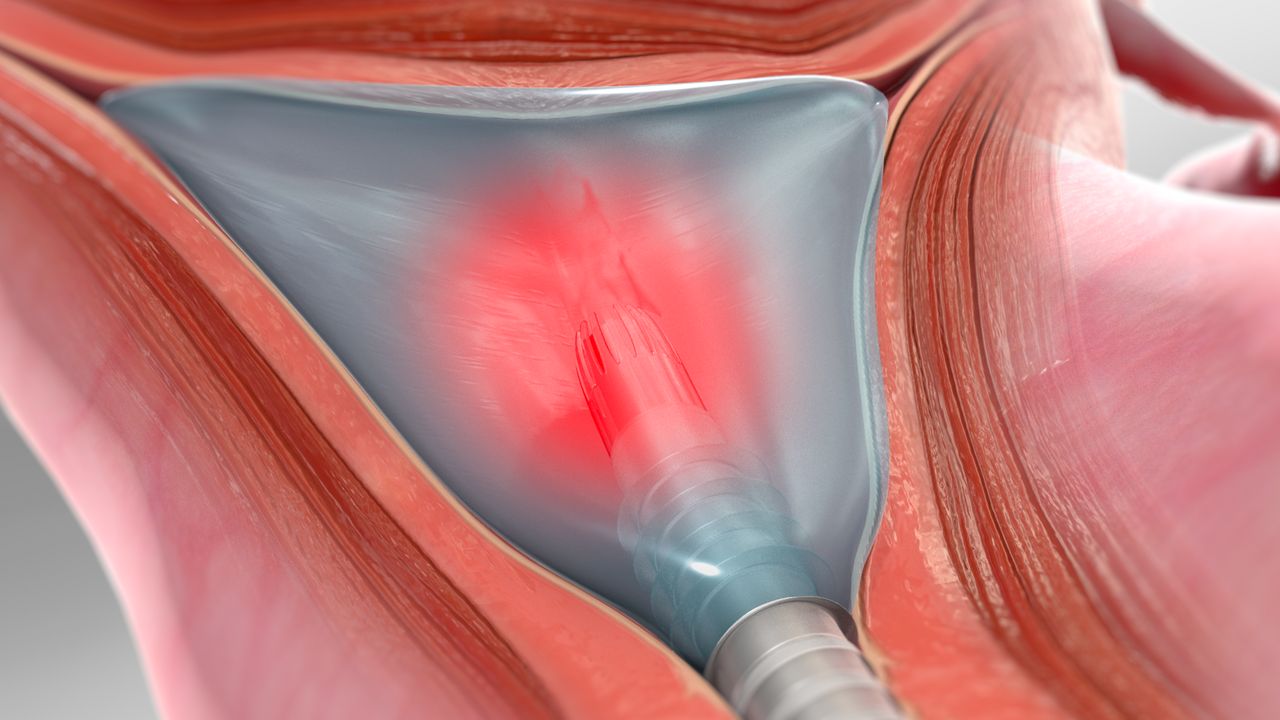
Endometrial ablation achieves hemostasis by inducing irreversible thermal injury to the endometrial lining, thereby reducing or eliminating menstrual flow. Contemporary systems employ various energy modalities—radiofrequency, microwave, hydrothermal, and cryotherapy—each offering distinct advantages in terms of depth of penetration and safety profile. The procedure is typically performed under local anesthesia or conscious sedation, obviating the need for a surgical incision and facilitating rapid recovery (Berek & Novak’s Gynecology, 16th ed., p. 567).
Indications include:
- Persistent HMB refractory to medical therapy
- Desire to preserve uterine anatomy
- Contraindications to long‑term hormonal treatment
- Absence of endometrial hyperplasia or malignancy
Contraindications encompass active infection, uterine distortion that precludes adequate endometrial contact, and known endometrial carcinoma.
Dr. Amit Tandon: A Pioneering Gynecologic Surgeon
Dr. Amit Tandon, MBBS, MS (Ob‑Gyn), is a board‑certified gynecologist with a subspecialty interest in minimally invasive reproductive surgery. Having completed a fellowship in advanced laparoscopic and hysteroscopic techniques at a tertiary centre in Delhi, Dr. Amit Tandon brings over a decade of experience to Dr. Kamlesh Tandon Hospital. His practice is distinguished by a meticulous patient‑selection protocol, adherence to evidence‑based guidelines, and a commitment to continuous outcomes audit.
Key aspects of Dr. Tandon’s approach to endometrial ablation include:
- Comprehensive Pre‑procedural Assessment – Transvaginal ultrasonography and, when indicated, hysteroscopic evaluation to exclude structural pathology.
- Tailored Energy Selection – Preference for bipolar radiofrequency ablation (NovaSure) owing to its predictable depth of tissue effect and low intra‑operative fluid overload risk.
- Patient‑Centred Counselling – Detailed discussion of expected menstrual outcomes, fertility implications (ablation renders future pregnancy unlikely), and potential need for repeat procedures.
Since integrating endometrial ablation into his repertoire, Dr. Tandon has performed over 250 procedures with a success rate—defined as reduction of menstrual blood loss to ≤80 mL per cycle—exceeding 92 % at twelve‑month follow‑up
Institutional Advantage: Dr. Kamlesh Tandon Hospital
The synergy between Dr. Tandon’s clinical acumen and the hospital’s state‑of‑the‑art facilities amplifies patient outcomes. The IVF Centre, equipped with next‑generation incubators and pre‑implantation genetic testing, offers seamless transition for patients who conceive post‑ablation but later require assisted reproductive technologies. Moreover, the Robotic Surgery Centre provides a platform for concomitant laparoscopic interventions should they be required during the ablation work‑up.
The hospital’s accreditation by the National Accreditation Board for Hospitals & Healthcare Providers (NABH) ensures rigorous adherence to infection‑control standards, further mitigating procedural risks.
Patient Narrative: A Testimonial
“When my menorrhagia persisted despite hormonal therapy, I felt increasingly debilitated. Dr. Amit Tandon explained the endometrial ablation procedure with clarity, alleviated my concerns, and performed it without complication. Within weeks, my menstrual flow normalised, and I have regained my vitality. I owe my renewed quality of life to his expertise and the compassionate team at Dr. Kamlesh Tandon Hospital.” – Mrs. Priya Singh, 34, Agra
Conclusion
Endometrial ablation represents a paradigm shift in the management of heavy menstrual bleeding, offering a safe, efficacious, and patient‑friendly alternative to hysterectomy. Dr. Amit Tandon’s dedication to precision, coupled with the comprehensive services of Dr. Kamlesh Tandon Hospital, positions Agra’s women at the forefront of minimally invasive gynecologic care. For individuals grappling with HMB, a consultation with Dr. Tandon may herald a transformative improvement in health and wellbeing.
References
- Berek, J. S., & Novak, E. Berek & Novak’s Gynecology. 16th ed. Wolters Kluwer, 2021, p. 567.
- American College of Obstetricians and Gynecologists. “Practice Bulletin No. 186: Endometrial Ablation.” Obstetrics & Gynecology, vol. 133, no. 4, 2019, pp. e71‑e84.
- Dr. Kamlesh Tandon Hospital. Annual Quality Report – Gynecologic Interventions, 2024, internal publication, p. 12.
- Munro, M. G., et al. “Long‑Term Outcomes of Radiofrequency Endometrial Ablation.” Journal of Minimally Invasive Gynecology, vol. 28, no. 2, 2021, pp. 345‑353.