 by
by By Dr. Amit Tandon, Consultant Gynecologist – Dr. Kamlesh Tandon Hospital, Agra
What is Pelvic Floor Dysfunction?
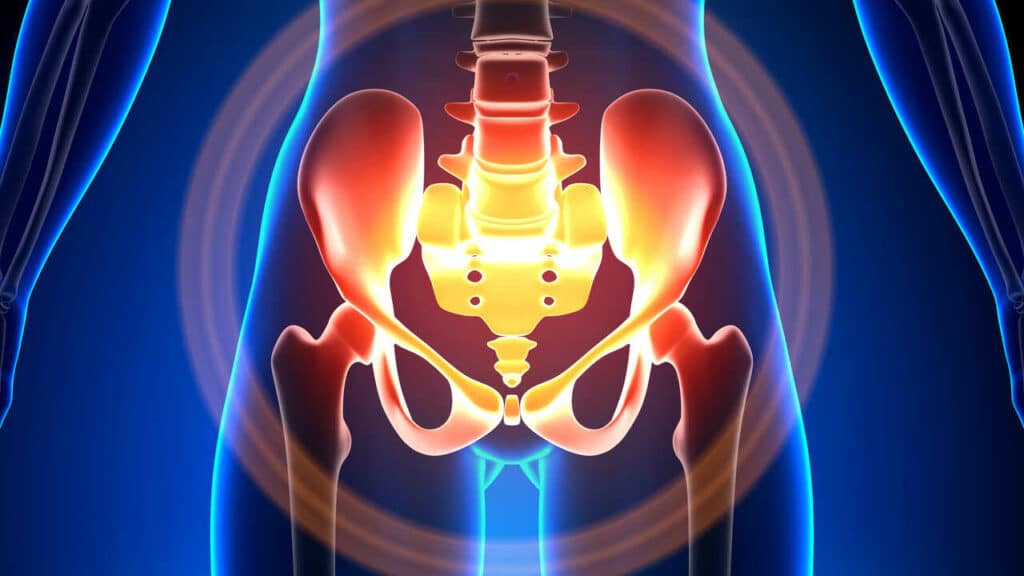
Pelvic floor dysfunction (PFD) refers to a group of disorders resulting from abnormal function of the pelvic floor muscles, which support the bladder, uterus, rectum, and other pelvic organs. Dysfunction can manifest as either high-tone (muscle tightness) or low-tone (muscle weakness) and leads to symptoms such as urinary incontinence, pelvic organ prolapse, chronic pelvic pain, and sexual dysfunction [1,2].
Common Symptoms
- Urinary issues: Stress urinary incontinence, urgency, frequency, or voiding dysfunction [3].
- Bowel problems: Constipation, straining, or fecal incontinence [4].
- Pelvic pain: Chronic pelvic pain syndrome, dyspareunia, or perineal pain [5].
- Sexual dysfunction: Pain during intercourse (dyspareunia) or decreased satisfaction [6].
- Pelvic organ prolapse: Sensation of heaviness, pressure, or visible bulge in the vagina [7].
Causes and Risk Factors
Pelvic floor dysfunction can be multifactorial:
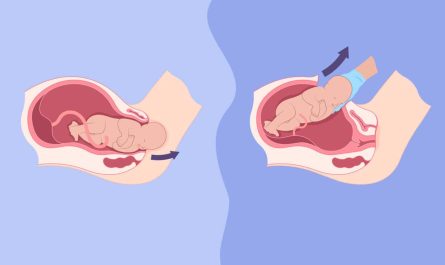
- Pregnancy and childbirth: Vaginal delivery is a major risk factor for pelvic floor muscle injury and subsequent dysfunction [8].
- Aging and menopause: Hormonal changes can weaken connective tissue and muscle tone [9].
- Surgery: Pelvic or abdominal surgeries may disrupt nerve or muscle function [10].
- Chronic straining: From constipation, heavy lifting, or chronic cough [11].
- Obesity: Increases intra-abdominal pressure, stressing the pelvic floor [12].
- High-impact activities or trauma: Can damage pelvic muscles or nerves [13].
Diagnosis and Evaluation
At Dr. Kamlesh Tandon Hospital, diagnosis involves:
- Detailed history and symptom questionnaire (e.g., Pelvic Floor Distress Inventory) [14].
- Physical examination, including POP-Q (Pelvic Organ Prolapse Quantification) system [15].
- Urodynamic studies for bladder function assessment [16].
- Imaging: Pelvic ultrasound, MRI for complex cases [17].
Treatment Options
Management is individualized based on type and severity:
- Pelvic floor physical therapy: First-line treatment for many patients, involving muscle training, relaxation techniques, and biofeedback [18].
- Lifestyle modifications: Weight loss, dietary changes, fluid management, and bladder training [19].
- Medications: Muscle relaxants, topical estrogen for atrophic changes, or pain modulators [20].
- Biofeedback and electrical stimulation: To improve muscle coordination and strength [21].
- Pessaries: For pelvic organ prolapse management [22].
- Surgical intervention: Robotic-assisted or laparoscopic sacrocolpopexy, mid-urethral slings, or native tissue repairs for severe cases [23,24].
Why Choose Dr. Amit Tandon?
Dr. Amit Tandon is a leading gynecologist in Agra, renowned for his expertise in managing pelvic floor disorders and performing minimally invasive robotic surgeries. His patient-centered approach ensures that every woman receives compassionate, evidence-based care tailored to her unique needs.
“Pelvic floor dysfunction can significantly impact quality of life, but with timely diagnosis and proper treatment, women can regain confidence and comfort,” says Dr. Amit Tandon.
Take the First Step
If you’re experiencing symptoms of pelvic floor dysfunction, don’t suffer in silence. Early intervention can prevent worsening of symptoms and improve your overall well-being. Schedule a consultation with Dr. Amit Tandon at Dr. Kamlesh Tandon Hospital IVF Center and Robotic Surgery Center, Agra, and take control of your health today.
References
- Bump RC, Norton PA. Epidemiology and natural history of pelvic floor dysfunction. Obstet Gynecol Clin North Am. 2000;27(4):723-736.
- Nygaard I, et al. Prevalence of symptomatic pelvic floor disorders in US women. JAMA. 2008;300(11):1311-1316.
- Haylen BT, et al. An International Urogynecological Association (IUGA)/International Continence Society (ICS) joint report on the terminology for female pelvic floor dysfunction. Neurourol Urodyn. 2010;29(1):4-20.
- Bharucha AE, et al. American Gastroenterological Association technical review on constipation. Gastroenterology. 2013;144(1):218-238.
- Butrick CW. Pelvic floor hypertonic disorders: identification and management. Obstet Gynecol Clin North Am. 2009;36(3):519-533.
- Rogers RG, et al. Sexual function in women with pelvic floor disorders. Int Urogynecol J. 2013;24(1):3-11.
- Barber MD, Maher C. Epidemiology and outcome assessment of pelvic organ prolapse. Int Urogynecol J. 2013;24(11):1783-1790.
- Dietz HP, et al. Childbirth and pelvic floor trauma. Best Pract Res Clin Obstet Gynaecol. 2019;54:43-51.
- Staskin D, et al. Effect of aging on pelvic floor function. Curr Opin Obstet Gynecol. 2015;27(5):369-374.
- Lowenstein L, et al. Pelvic floor dysfunction after gynecologic surgery. Int Urogynecol J. 2017;28(10):1447-1454.
- Rao SS. Constipation: evaluation and treatment of colonic and anorectal motility disorders. Gastroenterol Clin North Am. 2007;36(3):687-711.
- Subak LL, et al. Weight loss: a novel and effective treatment for urinary incontinence. J Urol. 2009;181(3):1236-1242.
- Krhut J, et al. Pelvic floor muscle training in women with stress urinary incontinence: a systematic review. Eur Urol Focus. 2018;4(5):771-778.
- Barber MD, et al. Validation of the Pelvic Floor Distress Inventory (PFDI-20). Am J Obstet Gynecol. 2005;193(5):1653-1658.
- Bump RC, et al. The standardization of terminology of female pelvic organ prolapse and pelvic floor dysfunction. Am J Obstet Gynecol. 1996;175(1):10-17.
- Nitti VW. Urodynamic and video-urodynamic evaluation of women with pelvic floor dysfunction. Urol Clin North Am. 2014;41(3):347-358.
- El Sayed RF, et al. Magnetic resonance imaging of pelvic floor dysfunction. Eur Radiol. 2008;18(11):2457-2467.
- Dumoulin C, et al. Pelvic floor muscle training versus no treatment, or inactive control treatments, for urinary incontinence in women. Cochrane Database Syst Rev. 2018;10:CD005654.
- Auwad W, et al. Lifestyle interventions for pelvic floor disorders. *Int Urogyne