 by
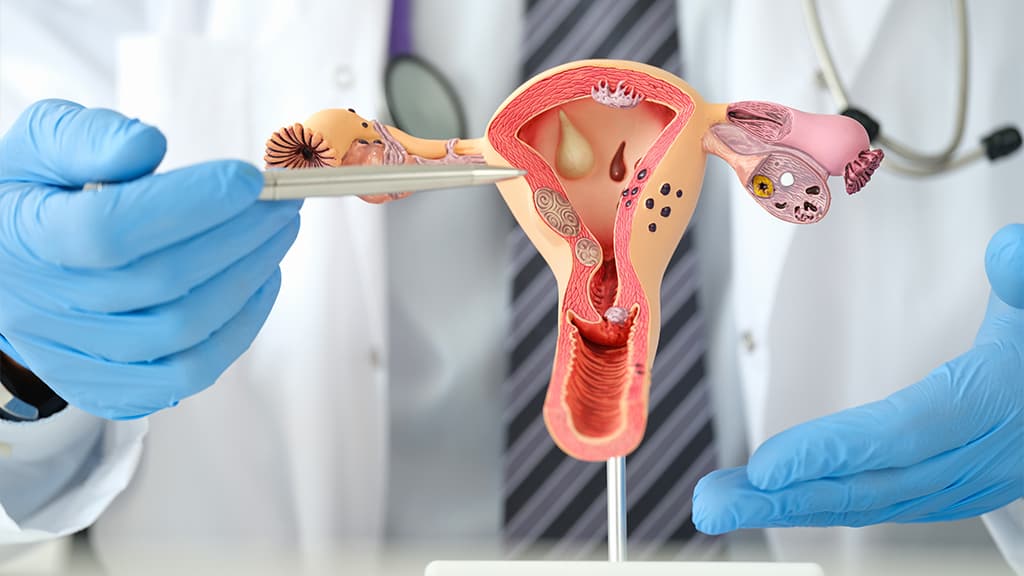
by Blocked fallopian tubes, also known as tubal blockage, can prevent pregnancy and cause other reproductive issues. Dr. Amit Tandon, a renowned Gynecologist at Dr. Kamlesh Tandon Hospital, IVF Center, and Robotic Surgery Center in Agra, explains the causes, symptoms, and treatment options for blocked fallopian tubes.
Causes of Blocked Fallopian Tubes
- Infections: Pelvic inflammatory disease (PID), endometriosis, and sexually transmitted infections (STIs) can cause inflammation and scarring in the fallopian tubes, leading to blockage.
- Previous surgeries: Cesarean sections, tubal ligation, or other pelvic surgeries can cause adhesions and scarring that block the tubes.
- Endometriosis: Endometrial tissue growing outside the uterus can cause inflammation and scarring, leading to tubal blockage.
- Fibroids: Uterine fibroids can press on the fallopian tubes, causing blockage.
- Congenital abnormalities: Some women are born with abnormal fallopian tubes, which can increase the risk of blockage.
Symptoms of Blocked Fallopian Tubes
- Infertility: Difficulty conceiving is often the primary symptom of tubal blockage.
- Pelvic pain: Chronic pelvic pain or discomfort can be a symptom of underlying tubal blockage.
- Abnormal periods: Heavy or irregular periods can be a sign of tubal blockage.
- Pain during intercourse: Pain or discomfort during sex can be a symptom of tubal blockage.
Diagnosis and Treatment Options
- Hysterosalpingogram (HSG): A diagnostic test to evaluate the fallopian tubes.
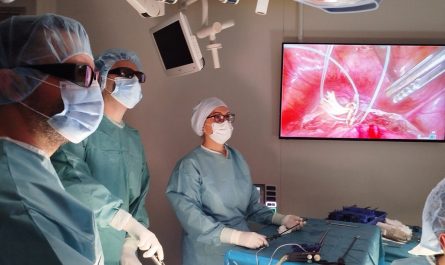
- Laparoscopy: A minimally invasive surgical procedure to visualize the fallopian tubes.
- Tubal cannulation: A procedure to clear blockages in the fallopian tubes.
- In Vitro Fertilization (IVF): A fertility treatment option for women with blocked fallopian tubes.
- Robotic surgery: A minimally invasive surgical option for treating tubal blockage, offering precision and faster recovery.
References:
- American Society for Reproductive Medicine (ASRM). (2020). Tubal blockage.
- National Institute of Child Health and Human Development (NICHD). (2020). Tubal blockage.
- Journal of Minimally Invasive Gynecology. (2019). Robotic surgery for tubal blockage.
- American College of Obstetricians and Gynecologists (ACOG). (2018). Tubal blockage.
Consult Dr. Amit Tandon at Dr. Kamlesh Tandon Hospital for more information on blocked fallopian tubes and to determine the best treatment option for you.
Contact Information:
Dr. Amit Tandon
Gynecologist
Dr. Kamlesh Tandon Hospital, IVF Center, and Robotic Surgery Center
Agra, India