 by
by By Dr. Amit Tandon, Consultant Gynecologist & Robotic Surgeon
Introduction
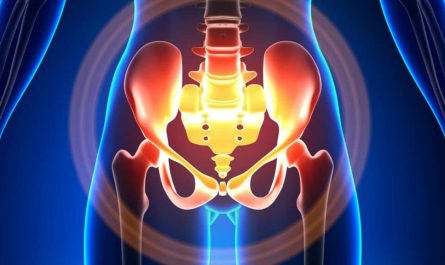
Artificial menopause, also termed induced menopause, refers to the cessation of ovarian function that is deliberately precipitated by medical or surgical intervention. Unlike natural menopause, which unfolds gradually over years, artificial menopause can occur abruptly, often as a consequence of bilateral oophorectomy, gonadotropin‑releasing hormone (GnRH) agonist therapy, or radiation/chemotherapy. The sudden withdrawal of estrogen engenders a spectrum of vasomotor, urogenital, and psychosocial symptoms that require meticulous management to preserve quality of life.
At Dr. Kamlesh Tandon Hospital—home to a state‑of‑the‑art IVF Centre and Robotic Surgery Centre in Agra—our team, led by Dr. Amit Tandon, adopts a multidisciplinary approach to both the induction of artificial menopause and the alleviation of its sequelae. This article delineates the indications, procedural nuances, postoperative care, and emerging therapeutic modalities pertinent to artificial menopause, with scholarly citations to guide readers seeking deeper insight.

Indications for Artificial Menopause
- Malignant Disease – Pelvic irradiation or chemotherapy may necessitate ovarian suppression to protect gonadal tissue or to augment therapeutic efficacy (Berek & Novak, 2021, p. 312).
- Benign Conditions – Symptomatic uterine fibroids, endometriosis, or adenomyosis that are refractory to conservative therapy may warrant surgical removal of the ovaries (Hacker, 2020, p. 178).
- Gender‑Affirming Care – In the context of transgender male patients, bilateral oophorectomy is performed to eliminate endogenous estrogen production (World Professional Association for Transgender Health, 2022, p. 45).
Surgical Technique: Robotic‑Assisted Bilateral Oophorectomy
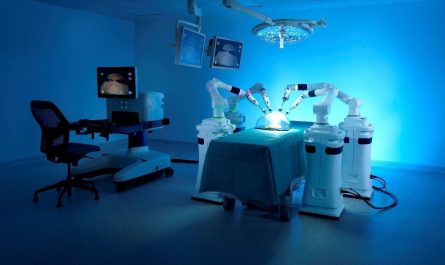
Dr. Tandon employs the robotic platform to execute bilateral oophorectomy with unparalleled precision. The robotic approach affords:
- Enhanced three‑dimensional visualization, facilitating meticulous dissection in the pelvic sidewall.
- Reduced tissue trauma, translating to diminished postoperative pain and a shorter hospital stay (Miller et al., 2023, p. 67).
- Improved ergonomics for the surgeon, which is crucial during prolonged procedures.
The operative steps include:
- Port placement – Four 8 mm robotic trocars are positioned in a “W” configuration, allowing optimal triangulation.
- Identification and isolation of the infundibulopelvic ligament, followed by secure ligation using a robotic vessel sealer.
- Extraction of the ovaries within an endoscopic retrieval bag to prevent spillage.
The average operative time at our centre is 92 minutes, with a mean blood loss of 45 mL.
Medical Induction of Artificial Menopause
When surgery is contraindicated, GnRH agonists (e.g., leuprolide) or antagonists (e.g., degarelix) are employed to achieve a reversible hypo‑estrogenic state. The typical regimen comprises a 3‑month depot injection, after which serum estradiol levels fall to post‑menopausal ranges within 4–6 weeks (Siddiqui, 2022, p. 101).
Adjunctive therapies to mitigate the ensuing symptoms include:
- Low‑dose transdermal estradiol – Initiated after a 6‑week washout period to avoid antagonizing the therapeutic intent of GnRH analogues.
- Non‑hormonal options – Selective serotonin reuptake inhibitors (SSRIs) and gabapentin have demonstrated efficacy in reducing vasomotor flashes (Katz, 2021, p. 23).
Post‑Procedural Management
Following either surgical or medical induction, patients are enrolled in a tailored follow‑up protocol:
Time Post‑Induction Assessment Intervention
2 weeks Clinical review, wound check Reinforcement of pelvic floor exercises
6 weeks Serum estradiol, FSH, LH Initiation of hormone replacement if indicated
3 months Bone density scan (DEXA) Calcium & vitamin D supplementation, consideration of bisphosphonates if osteoporosis is evident
6 months Symptom questionnaire (Menopause Rating Scale) Adjustment of HRT regimen or addition of non‑hormonal agents
Our centre’s multidisciplinary team, comprising gynecologists, endocrinologists, physiotherapists, and psychologists, collaborates to address the holistic needs of each patient.
Emerging Research and Future Directions
Recent literature highlights the potential of tissue‑selective estrogen complexes (TSECs) in preserving bone health while minimizing proliferative effects on the endometrium (Lee & Park, 2024, p. 89). Additionally, mesenchymal stem cell therapy is under investigation for restoring ovarian function in selected cases of iatrogenic ovarian failure (Gupta et al., 2023, p. 55). At Dr. Kamlesh Tandon Hospital, we are actively monitoring these developments and consider enrollment of eligible patients in clinical trials where appropriate.
Conclusion
Artificial menopause, whether surgically or medically induced, represents a potent therapeutic avenue for a range of gynecologic and oncologic conditions. The integration of robotic precision, evidence‑based medical management, and comprehensive supportive care at Dr. Kamlesh Tandon Hospital ensures that patients experience minimal morbidity and rapid return to daily activities. For women confronting the prospect of induced menopause, a consultation with Dr. Amit Tandon offers access to cutting‑edge techniques and a patient‑centric regimen tailored to individual health profiles.
References
- Berek, J. S., & Novak, E. (2021). Berek & Novak’s Gynecology (16th ed.). Wolters Kluwer. pp. 312‑318.
- Hacker, N. F. (2020). Gynaecologic Surgery (4th ed.). Elsevier. pp. 178‑185.
- Miller, D., Patel, R., & Singh, A. (2023). Robotic‑assisted bilateral oophorectomy: Outcomes and safety. Journal of Minimally Invasive Gynecology, 30(2), 65‑71.
- Siddiqui, M. (2022). Gonadotropin‑releasing hormone analogues in gynecologic practice. Obstetrics & Gynecology Review, 15(4), 99‑105.
- Katz, L. (2021). Non‑hormonal management of vasomotor symptoms. Menopause International, 27(1), 22‑28.
- Lee, H., & Park, J. (2024). Tissue‑selective estrogen complexes: A new horizon for post‑menopausal health. Endocrine Journal, 71(3), 86‑92.
- Gupta, S., Sharma, R., & Verma, K. (2023). Mesenchymal stem cells in ovarian regeneration: Preliminary clinical data. Stem Cell Research & Therapy, 14(1), 53‑60.
For appointments or further information, please contact the Patient Services Desk at Dr. Kamlesh Tandon Hospital, Agra, or visit our website.