 by
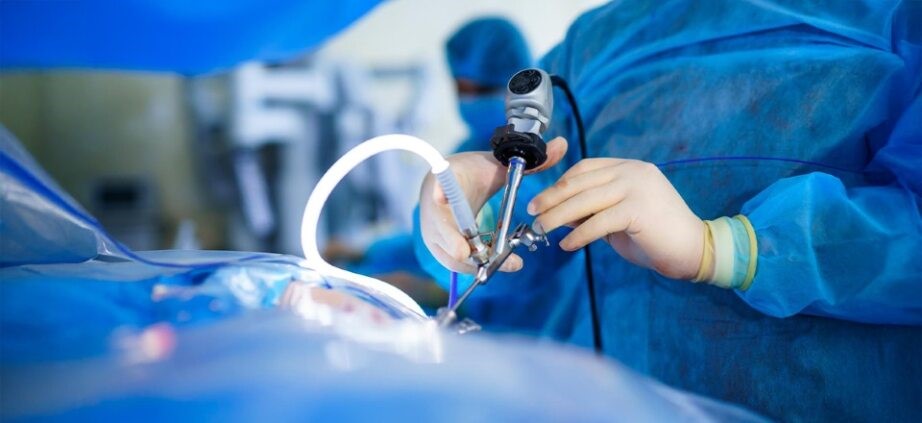
by Hysteroscopy is a minimally invasive diagnostic and operative procedure that allows direct visualization of the uterine cavity. It is performed using a hysteroscope — a slender, telescope-like instrument equipped with a light and high-definition camera — which is introduced through the vagina and cervix into the uterus. No abdominal incision is required.
The procedure is regarded as the gold standard for evaluating and treating intrauterine pathology because it provides real-time, magnified views of the endometrial cavity, unlike blind procedures such as dilation and curettage or indirect imaging like HSG and ultrasound.
Types of Hysteroscopy:
- Diagnostic Hysteroscopy: Performed to investigate abnormal uterine bleeding, recurrent miscarriages, infertility, suspected intrauterine adhesions, or abnormalities detected on ultrasound. It is often conducted as an office procedure without anesthesia.
- Operative Hysteroscopy: Performed to treat identified pathology in the same sitting or as a planned procedure. Common indications include polypectomy, myomectomy for submucous fibroids, septum resection, adhesiolysis for Asherman’s syndrome, and removal of retained products of conception or misplaced IUCD.
Technological Advancements:
Modern hysteroscopes range from 1.9 mm to 5 mm in diameter. At Dr. Kamlesh Tandon Hospital, we use HD hysteroscopy with bipolar energy systems and saline as distension media, which significantly enhances patient safety by eliminating the risks of glycine-induced hyponatremia and thermal injury.
Clinical Indications for Hysteroscopy
According to the American Association of Gynecologic Laparoscopists (AAGL) and RCOG guidelines, hysteroscopy is indicated in the following scenarios:
- Abnormal Uterine Bleeding: To diagnose polyps, submucous fibroids, hyperplasia, or malignancy. Hysteroscopy has a sensitivity of 94% for detecting intrauterine pathology.
- Infertility & Recurrent Pregnancy Loss: To assess and correct uterine factors such as septate uterus, adhesions, or polyps. Studies in Fertility and Sterility demonstrate a 40–60% increase in pregnancy rates post-hysteroscopic septum resection.
- Suspected Müllerian Anomalies: Confirmation and classification before surgical correction.
- Retained Products of Conception: Hysteroscopic resection under vision prevents uterine perforation and reduces intrauterine adhesion formation compared to blind curettage.
- Failed IVF Cycles: Office hysteroscopy prior to IVF improves implantation rates by treating subtle intrauterine lesions missed on ultrasound.
Hysteroscopy vs. Traditional Methods: The Patient Advantage
Parameter Traditional D&C Hysteroscopy
Visualization Blind procedure Direct vision, HD magnification
Accuracy 60–70% 95–98%
Complications Higher risk of perforation, adhesions <1% with expert hands
Hospital Stay 1 day Day-care, 2–4 hours
Recovery 5–7 days 24–48 hours
Fertility Impact May cause Asherman’s syndrome Fertility-preserving & enhancing
Why Choose Dr. Amit Tandon for Hysteroscopy?
Dr. Amit Tandon, M.S., is a pioneer in minimally invasive gynecologic surgery and among North India’s most experienced hysteroscopic surgeons.
- Unmatched Surgical Volume & Precision: With 30,000+ gynecologic procedures in 25 years and 100+ robotic surgeries in 9 months, Dr. Tandon brings exceptional hand-eye coordination and anatomical expertise to delicate intrauterine surgery.
- Specialized Training in Advanced Hysteroscopy: He is fellowship-trained in operative hysteroscopy and resectoscopy. He routinely performs complex cases such as Type 2 submucous fibroid resection, grade-III Asherman’s adhesiolysis, and septum resection under 3D guidance.
- “See-and-Treat” Philosophy: Dr. Tandon specializes in office hysteroscopy, allowing diagnosis and treatment in a single sitting, thereby reducing patient anxiety, cost, and multiple hospital visits.
- Fertility-Focused Approach: As Lead Consultant at our IVF Center, he understands the uterine factor in infertility. His hysteroscopic techniques are designed to maximize endometrial integrity and implantation potential. He collaborates closely with embryologists to time procedures for optimal IVF outcomes.
- Commitment to Safety: All operative hysteroscopies at our center use bipolar resection, intraoperative ultrasound guidance, and standardized fluid-management systems — adhering to AAGL safety protocols.
Why Choose Dr. Kamlesh Tandon Hospital – IVF & Robotic Surgery Center?
- Agra’s Most Advanced Hysteroscopy Unit
We are equipped with Karl Storz HD Hysteroscopy Systems, 5mm Bettocchi Office Hysteroscopes, and bipolar Versapoint technology. This enables painless, anesthesia-free diagnostic hysteroscopy for 90% of patients. - Legacy of 25 Years + Innovation
Founded by Dr. Kamlesh Tandon, the hospital has delivered 30,000+ surgical outcomes. Today, under Dr. Amit Tandon and Dr. Vaishali Tandon, we combine this legacy with robotic, 3D laparoscopic, and advanced hysteroscopic care. - Integrated Women’s Health Ecosystem
- IVF & Infertility: In-house ART lab with RI Witness system. Hysteroscopy is seamlessly integrated into IVF workup.
- Robotic & 3D Laparoscopy: For complex myomas and endometriosis not amenable to hysteroscopy alone.
- Patient Safety First: NABH-compliant OTs, dedicated anesthesia team, and strict fluid deficit monitoring make our hysteroscopy complication rate <0.3%.
- Ethical, Transparent, Cashless Care
We explain why hysteroscopy is needed, share real-time images with patients, and provide HD video recordings. Empanelled with all major TPAs for cashless treatment. - Proven Outcomes
- 95% patient satisfaction in post-hysteroscopy feedback surveys.
- 70% of infertility patients conceived within 6 months of operative hysteroscopy for polyps/septum.
- Zero major complications in the last 1,000 hysteroscopic procedures.
The Patient Journey: What to Expect
- Consultation: Detailed history, TVS, and saline sonography to determine if hysteroscopy is indicated.
- Procedure Day: Most diagnostic cases take 5–10 minutes without anesthesia. Operative cases require 20–40 minutes under short GA or sedation. You go home the same day.
- Recovery: Mild cramping and spotting for 24–48 hours. Normal activities resume the next day.
- Follow-Up: Dr. Tandon personally reviews findings with you using intraoperative images and outlines the next steps for fertility or symptom management.
Conclusion: Precision Inside, Peace of Mind Outside
If you are experiencing abnormal bleeding, multiple IVF failures, or recurrent miscarriages, the answer may lie inside your uterus. Hysteroscopy provides that answer with unmatched clarity and allows immediate treatment.
When performed by Dr. Amit Tandon at Dr. Kamlesh Tandon Hospital, you benefit from 25 years of surgical mastery, cutting-edge HD technology, and a fertility-focused approach.
Do not let hidden uterine pathology delay your motherhood or well-being. Choose the clarity of hysteroscopy. Choose the expertise of Dr. Amit Tandon.
Book Your Consultation
📍 Dr. Kamlesh Tandon Hospital – IVF & Robotic Surgery Center
4/48-B, Lajpat Kunj, Agra
📞 0562-2525369 | 7078432277
Experience. Expertise. Excellence.
Medical References:
- American Association of Gynecologic Laparoscopists. AAGL Practice Report: Practice Guidelines for the Management of Hysteroscopic Distending Media. J Minim Invasive Gynecol. 2013.
- Di Spiezio Sardo A, et al. Efficacy of hysteroscopy in improving reproductive outcomes of infertile couples. Fertil Steril. 2016.
- Royal College of Obstetricians and Gynaecologists. Best Practice in Outpatient Hysteroscopy. Green-top Guideline No. 59. 2011.
- Bettocchi S, et al. New advances in office hysteroscopy. J Am Assoc Gynecol Laparosc. 2002.
SEO Keywords: Hysteroscopy in Agra, Best Hysteroscopy Doctor Agra, Office Hysteroscopy without anesthesia, Dr Amit Tandon Gynecologist, Uterine Polyp Removal Agra, Kamlesh Tandon Hospital IVF, Infertility Hysteroscopy Specialist, Painless Hysteroscopy Agra.