 by
by Author: Dr. Amit Tandon, MBBS, MS (Obstetrics & Gynaecology)
Renowned Gynaecologist & Robotic Surgeon
Dr. Kamlesh Tandon Hospital – IVF Centre & Robotic Surgery Centre, Agra
Introduction
Anemia in pregnancy is one of the most common yet underestimated medical conditions affecting expecting mothers worldwide. According to the World Health Organization, over 40% of pregnant women globally are anemic, with iron deficiency being the leading cause. In India, the prevalence is even higher due to nutritional gaps, frequent pregnancies, and limited antenatal awareness.
Untreated anemia can compromise both maternal health and fetal development. At Dr. Kamlesh Tandon Hospital, Agra, we combine advanced diagnostics, evidence-based protocols, and compassionate maternal care to ensure safe pregnancies and healthy outcomes.
What is Anemia in Pregnancy?
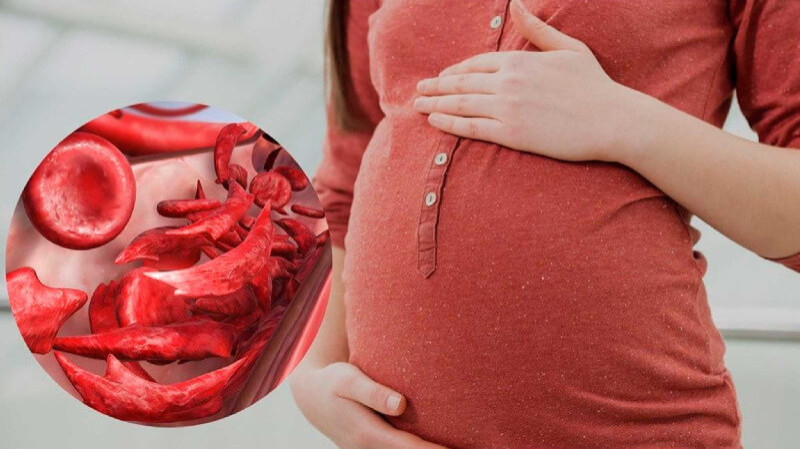
Anemia is defined as a hemoglobin level below 11 g/dL in the first and third trimesters, and below 10.5 g/dL in the second trimester. During pregnancy, blood volume increases by 40-50% to support the growing fetus. If iron, folate, or vitamin B12 intake is inadequate, hemoglobin production cannot keep pace, leading to anemia.
Types commonly seen in pregnancy:
- Iron Deficiency Anemia – 75% of all cases. Caused by increased iron demand and inadequate dietary intake.
- Folate Deficiency Anemia – Linked to neural tube defects if untreated.
- Vitamin B12 Deficiency Anemia – Rare, but seen in vegetarian diets without supplementation.
- Physiological Anemia of Pregnancy – Mild, dilutional, and generally benign.
Why is Anemia Dangerous During Pregnancy?
Maternal Risks:
- Fatigue, breathlessness, palpitations
- Increased risk of preterm labor and postpartum hemorrhage
- Poor wound healing and higher infection risk post-delivery
- Cardiac stress in severe cases
Fetal Risks:
- Intrauterine growth restriction (IUGR)
- Low birth weight
- Preterm delivery
- Increased perinatal morbidity
Symptoms to Watch For
Many women dismiss early symptoms as “normal pregnancy tiredness.” Key signs include:
- Persistent fatigue and weakness
- Pale skin, conjunctiva, and nail beds
- Dizziness or lightheadedness
- Shortness of breath on mild exertion
- Unusual cravings like ice, clay, or starch – pica
If you experience these, immediate antenatal evaluation is essential.
Diagnosis at Dr. Kamlesh Tandon Hospital
We follow ICMR & FOGSI guidelines for comprehensive anemia screening:
Test Purpose
Complete Blood Count (CBC) Checks Hb, MCV, MCH, MCHC
Peripheral Smear Identifies type of anemia
Serum Ferritin Gold standard for iron stores
Serum B12 & Folate Rules out megaloblastic anemia
Hb Electrophoresis Screens for thalassemia trait in high-risk patients
Early detection in the first trimester allows us to prevent complications before they begin.
Advanced Treatment Protocols We Follow
Treatment is individualized based on severity, gestational age, and cause:
- Mild to Moderate Anemia (Hb 7-10.9 g/dL)
- Oral Iron Therapy: Ferrous ascorbate or ferrous bisglycinate with better GI tolerance.
- Dietary Counseling: Iron-rich foods + Vitamin C for absorption. Avoid tea/coffee with meals.
- Folic Acid 5mg + B12 as indicated.
- Severe Anemia (Hb <7 g/dL) or Oral Intolerance
- IV Iron Sucrose/Ferric Carboxymaltose: Safe after 1st trimester, rapid Hb rise.
- Day-care infusion facility available at our centre with cardiac monitoring.
- Very Severe Cases (Hb <5 g/dL) or Near Term
- Blood Transfusion under expert supervision, balancing maternal-fetal risk.
- High-risk pregnancy unit with 24×7 obstetric and ICU backup.
- Prevention Protocol
- Universal IFA supplementation from 2nd trimester as per MoHFW.
- Regular Hb checks at 14-16 weeks, 28 weeks, and 36 weeks.
Why Choose Dr. Amit Tandon for Anemia & High-Risk Pregnancy Care?
- Dual Expertise: As a Renowned Gynaecologist & Robotic Surgeon, Dr. Amit Tandon brings surgical precision to complex obstetric cases. He is among the few in Agra with 100+ Robotic Gynae Surgeries, ensuring minimal blood loss even in fibroid or endometriosis cases complicating pregnancy.
- Evidence-Based Care: Every protocol aligns with FOGSI, WHO, and RCOG guidelines. No over-treatment, no guesswork.
- Patient-First Approach: From dietary planning to IV iron infusions, treatment is tailored to your lifestyle, tolerance, and gestational needs.
- High-Risk Pregnancy Specialization: Experience in managing anemia with placenta previa, multiple pregnancies, and previous LSCS.
- Continuity of Care: From preconception counseling to safe delivery and postpartum recovery, you’re guided by the same expert team.
Why Choose Dr. Kamlesh Tandon Hospital, Agra?
- Legacy of 30+ Years: A trusted name in women’s healthcare across Uttar Pradesh.
- Advanced Infrastructure: NABH-level protocols, modular OTs, 24×7 blood bank, NICU, and dedicated IV iron infusion suites.
- Integrated Centres: In-house IVF Centre for fertility-related anemia cases and Robotic Surgery Centre for minimal-blood-loss gynecologic procedures.
- Multidisciplinary Team: Obstetricians, hematologists, dieticians, and neonatologists under one roof.
- Patient-Centric Ethics: Transparent counseling, no hidden costs, and emphasis on normal delivery whenever safe.
Prevention: Your Role in a Healthy Pregnancy
- Start prenatal vitamins 3 months before conception if planning.
- Include jaggery, dates, spinach, lean meat, and fortified cereals.
- Space pregnancies by at least 2 years for iron stores to rebuild.
- Never self-medicate – iron overload is as dangerous as deficiency.
For personalized assessment, book an antenatal consultation with Dr. Amit Tandon. Early correction of anemia ensures a safer mother, healthier baby, and smoother delivery.
Contact:
Dr. Kamlesh Tandon Hospital
IVF Centre & Robotic Surgery Centre, Agra
Phone: +91-562-4060000 | Emergency: +91-93194XXXXX
Disclaimer: This article is for educational purposes and does not replace individual medical advice. Please consult your gynaecologist for diagnosis and treatment.
References:
- WHO. Global anaemia prevalence and trends 2000–2019
- FOGSI GCPR on Diagnosis & Management of Anemia in Pregnancy, 2019
- Ministry of Health & Family Welfare, Anemia Mukt Bharat Guidelines
- ACOG Practice Bulletin No. 233: Anemia in Pregnancy