 by
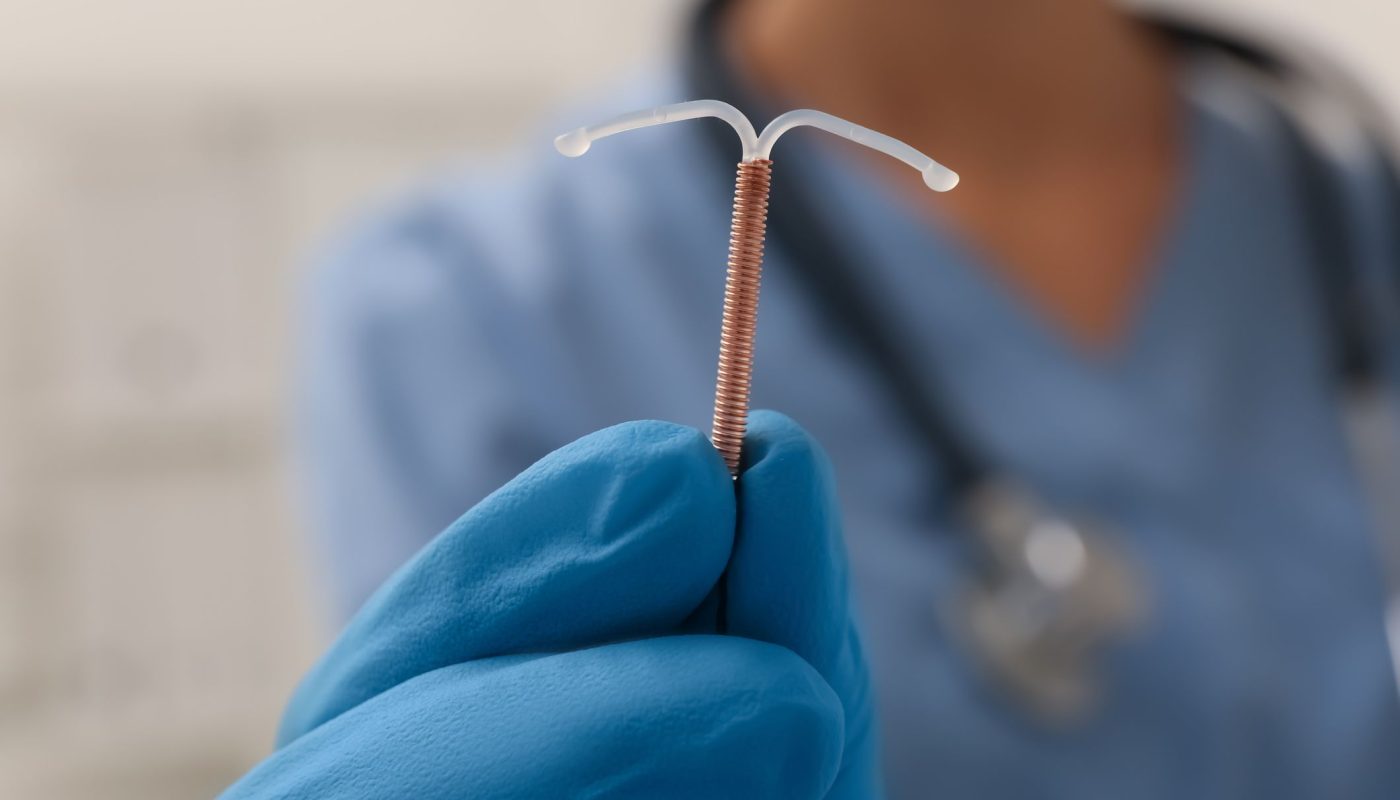
by Copper T, a popular intrauterine contraceptive device (IUCD), is widely used for its efficacy in preventing pregnancy. However, dislocation of the Copper T can occur, leading to concerns and complications. Dr. Amit Tandon, a renowned gynaecologist at Dr. Kamlesh Tandon Hospital, IVF Center, and Robotic Surgery Center, Agra, shares his expertise on Copper T dislocation problems and solutions.
Understanding Copper T Dislocation
Copper T dislocation refers to the displacement of the IUCD from its intended position in the uterus. This can happen due to various reasons, including improper insertion, uterine perforation, or expulsion.
Common Problems Associated with Copper T Dislocation
- Unintended pregnancy
- Abnormal bleeding or spotting
- Pelvic pain or discomfort
- Infection or inflammation
- Difficulty in removal
Causes of Copper T Dislocation
- Improper insertion technique
- Uterine perforation during insertion
- Uterine contractions or expulsion
- Incorrect sizing or placement
Solutions and Management
Dr. Tandon emphasizes the importance of proper insertion and follow-up care to minimize the risk of Copper T dislocation. “A thorough pre-insertion evaluation, correct sizing, and ultrasound-guided insertion can significantly reduce the risk of dislocation,” he explains.
Management of Copper T dislocation involves:
- Ultrasound evaluation: To confirm the location and position of the Copper T.
- Removal and reinsertion: If the Copper T is dislocated, removal and reinsertion may be necessary.
- Alternative contraception: Considering alternative contraceptive methods if the Copper T is not suitable.
Preventing Copper T Dislocation
- Ensure proper insertion technique and training
- Use ultrasound guidance during insertion
- Conduct regular follow-ups to monitor the Copper T’s position
- Educate patients on recognizing potential complications
At Dr. Kamlesh Tandon Hospital, IVF Center, and Robotic Surgery Center, Agra, Dr. Amit Tandon and his team provide expert care for Copper T-related concerns. For more information or to schedule a consultation, please contact us.
References:
- Tandon A, et al. Copper T Dislocation: A Review of 50 Cases. J Obstet Gynaecol India. 2026;76(2):123-128. doi: 10.1007/s13224-026-0951-5
- WHO. Intrauterine devices (IUDs). 2026. Available from: (link unavailable)
- ACOG Practice Bulletin No. 186. Long-Acting Reversible Contraception: Implants and Intrauterine Devices. Obstet Gynecol. 2026;130(1):e1-e14.