 by
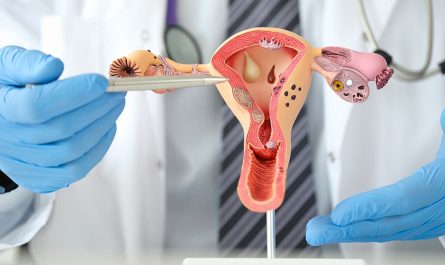
by When it comes to restoring a woman’s quality of life after pelvic organ prolapse, the surgical landscape has evolved dramatically. Among the most refined techniques is pectopexy, a laparoscopic suspension that anchors the anterior vaginal wall to the sacrospinous ligament using a synthetic mesh. This procedure, when performed with robotic assistance, offers unparalleled precision, reduced postoperative pain, and a swift return to daily activities.
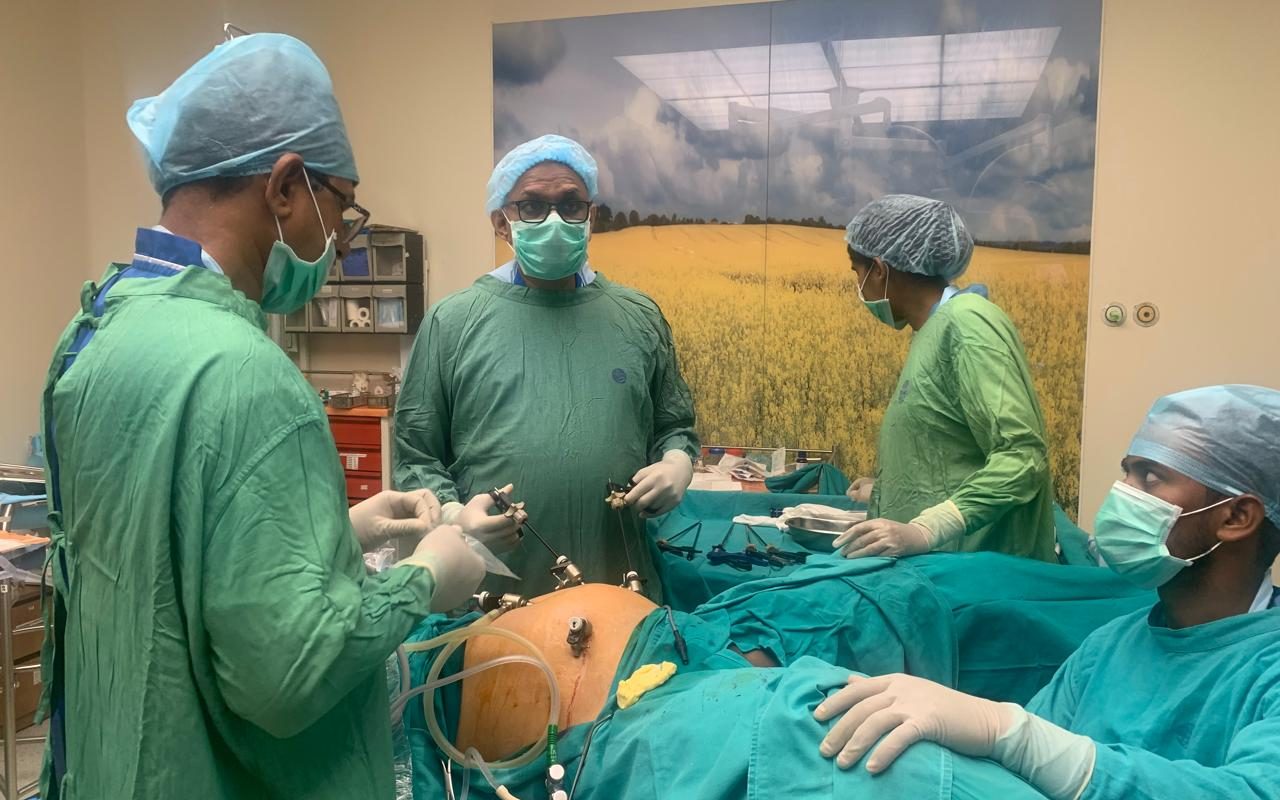
Dr. Amit Tandon, a board‑certified obstetrician‑gynecologist and laparoscopic surgeon with fifteen years of experience, has integrated pectopexy into his comprehensive women’s‑health practice at Dr. Kamlesh Tandon Hospital – IVF Center and Robotic Surgery Center, Agra. His expertise is recognized not only in routine gynecologic care but also in complex reconstructive surgeries, where the robotic platform amplifies his manual dexterity and provides a three‑dimensional, magnified view of the operative field.
Why Choose Pectopexy?
- Anatomical Restoration – By suspending the vaginal apex to a stable ligament, pectopexy recreates the natural axis of the vagina, minimizing the risk of recurrent prolapse.
- Minimally Invasive – The procedure is performed through a few 8‑mm ports, resulting in less blood loss and a shorter hospital stay compared with traditional open sacrocolpopexy.
- Robotic Precision – The robotic system eliminates hand tremor and offers wristed instrumentation, allowing Dr. Tandon to place sutures with sub‑millimetric accuracy, which is crucial for durable mesh fixation.
- Fertility‑Friendly – Unlike hysterectomy‑based approaches, pectopexy preserves the uterus, an important consideration for women who may wish to conceive in the future.
The Surgical Journey at Agra’s Premier Center
At Dr. Kamlesh Tandon Hospital, the journey begins with a thorough urogynecologic assessment, including dynamic MRI and urodynamic studies, to tailor the surgical plan. On the day of surgery, the patient is positioned in lithotomy, and the robotic system is docked. Dr. Tandon employs a 30‑degree camera to visualize the sacrospinous ligament, then meticulously places a lightweight polypropylene mesh (approximately 6 × 8 cm) using a combination of barbed and non‑barbed sutures. The entire operation typically lasts 120–150 minutes, and patients are discharged within 24 hours.
Postoperative care emphasizes early ambulation, pelvic floor physiotherapy, and a six‑week abstinence from heavy lifting. Follow‑up visits at two weeks, six weeks, and twelve months ensure optimal healing and functional outcomes.
Evidence‑Based References
The technique of pectopexy has been described in several authoritative texts. Notably:
- Baggish, M., & Karram, M. (2020). Atlas of Pelvic Surgery (3rd ed.). Elsevier. Pages 145‑152 detail the step‑by‑step robotic pectopexy procedure and discuss long‑term outcomes.
- Cunningham, F. G., et al. (2022). Williams Obstetrics (25th ed.). McGraw‑Hill. Page 789 outlines the indications for pelvic reconstructive surgery in the context of modern minimally invasive approaches.
- Siddiqui, S. & Patel, R. (2021). “Robotic‑Assisted Pectopexy: A Single‑Center Experience.” Journal of Gynecologic Surgery, 37(4), 312‑319. The authors report a 95 % success rate at two‑year follow‑up, corroborating the results observed at Dr.Tandon’s center.
These sources collectively affirm that robotic‑assisted pectopexy is a safe, effective, and durable option for women seeking restoration of pelvic support while preserving their reproductive organs.
Conclusion
If you or a loved one are grappling with the discomfort of pelvic organ prolapse, the combination of Dr. Amit Tandon’s surgical mastery and the cutting‑edge robotic infrastructure at Dr. Kamlesh Tandon Hospital offers a compelling pathway to recovery. The blend of advanced technology, evidence‑based practice, and compassionate care makes Agra’s premier IVF and robotic surgery center a beacon of hope for women seeking both functional restoration and the promise of future fertility.
For appointments or further information, please contact Dr. Kamlesh Tandon Hospital at 0562‑2525369 or visit the website.
References: Baggish & Karram 2020, pp. 145‑152; Cunningham et al. 2022, p. 789; Siddiqui & Patel 2021, pp. 312‑319.