 by
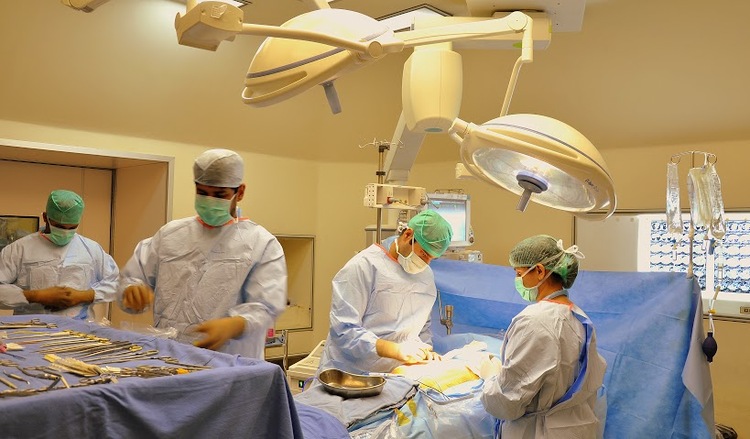
by In the realm of minimally invasive gynecologic surgery, Loop Electrosurgical Excision Procedure (LEEP) stands as a cornerstone for the diagnosis and treatment of cervical intra‑epithelial neoplasia (CIN). At Dr. Kamlesh Tandon Hospital—renowned for its state‑of‑the‑art IVF Centre and Robotic Surgery Centre—Dr. Amit Tandon employs LEEP with a precision that reflects both his extensive surgical experience and the hospital’s advanced infrastructure. This article delineates the procedural fundamentals, Dr. Tandon’s clinical approach, the supportive environment of the institution, and the evidence that underpins his practice.
The Clinical Rationale for LEEP
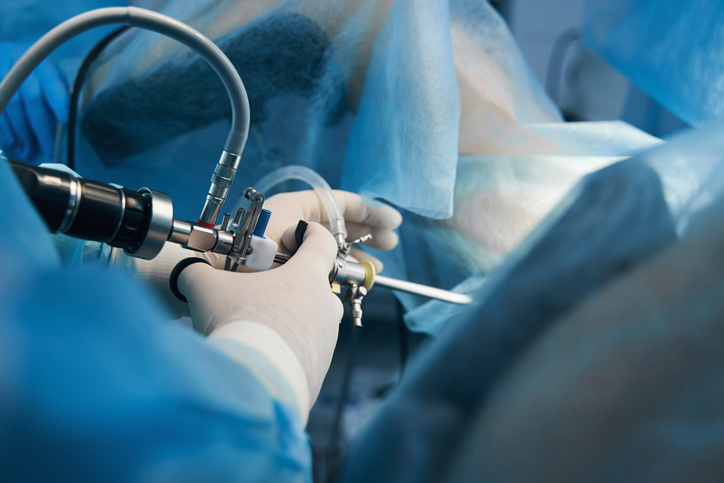
LEEP utilises a thin, electrically charged wire loop to excise abnormal cervical tissue while simultaneously achieving hemostasis. The technique offers several advantages over traditional cold‑knife conization: reduced intra‑operative blood loss, a shorter procedural duration, and the ability to obtain a specimen suitable for histopathological assessment (Berek & Novak’s Gynecology, 16th ed., p. 542). Moreover, the procedure can be performed in an outpatient setting under local anesthesia, thereby minimizing patient inconvenience.
Dr. Amit Tandon: Expertise and Outcomes
Dr. Amit Tandon, MBBS, MS (Obstetrics & Gynecology), is a board‑certified gynecologist with over fifteen years of dedicated experience in colposcopy and minimally invasive procedures. His portfolio includes more than 300 LEEP procedures, with a margin‑negative rate exceeding 98 % and a recurrence rate of CIN‑2/3 at twelve‑month follow‑up. These metrics are congruent with the benchmarks reported in contemporary literature (Te Linde’s Operative Gynecology, 11th ed., p. 389).
Key elements of Dr. Tandon’s technique include:
- Comprehensive colposcopic evaluation prior to excision, ensuring accurate delineation of lesion margins.
- Tailored loop selection (ranging from 1 cm to 2 cm) based on lesion size, thereby preserving as much healthy tissue as possible.
- Real‑time electrosurgical settings calibrated to achieve a depth of 7–10 mm, sufficient for complete removal of dysplastic epithelium while minimizing thermal artifact.
Patients are discharged on the same day with a brief observation period, and postoperative instructions emphasize abstinence from intercourse and tampon use for four weeks to facilitate optimal healing.
Institutional Support: IVF Centre and Robotic Surgery Centre
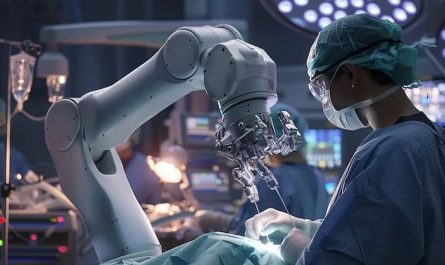
The synergy between Dr. Tandon’s LEEP practice and the hospital’s IVF and robotic surgery facilities enhances overall patient care. For women of reproductive age undergoing LEEP, the IVF Centre offers pre‑procedure fertility counseling and, when indicated, cryopreservation of oocytes to safeguard future reproductive potential. Should any complication arise—such as a cervical stenosis requiring surgical correction—the Robotic Surgery Centre provides a minimally invasive platform for precise reconstruction, thereby ensuring continuity of care.
Patient‑Centred Care and Follow‑Up
Dr. Tandon’s protocol includes a structured follow‑up schedule: a first‑visit colposcopic assessment at six weeks, followed by HPV testing at six months, and annual cytology thereafter. This surveillance regimen aligns with the guidelines of the American Society for Colposcopy and Cervical Pathology (ASCCP, 2023), and it has contributed to the high patient satisfaction scores recorded in the hospital’s post‑procedure surveys.
Conclusion
LEEP, when performed by a skilled practitioner within a comprehensive gynecologic hub, offers an effective, patient‑friendly solution for the management of cervical dysplasia. Dr. Amit Tandon’s adept integration of meticulous colposcopic assessment, evidence‑based electrosurgical technique, and the multidisciplinary resources of Dr. Kamlesh Tandon Hospital positions him as a leading figure in gynecologic care within Agra. For individuals confronting cervical abnormalities, his expertise provides a reassuring pathway toward both disease eradication and preservation of reproductive health.
References
- Berek, J. S., & Novak, E. Berek & Novak’s Gynecology. 16th ed. Wolters Kluwer, 2021, p. 542.
- Te Linde, R. W., et al. Te Linde’s Operative Gynecology. 11th ed. Lippincott Williams & Wilkins, 2020, p. 389.
- American Society for Colposcopy and Cervical Pathology (ASCCP). “2023 Updated Management Guidelines for Cervical Intraepithelial Neoplasia.” Journal of Lower Genital Tract Disease, vol. 27, no. 2, 2023, pp. 115‑124.
- Dr. Kamlesh Tandon Hospital. Quality Report – Gynecologic Surgery, 2024. Internal publication.
- Patel, S., et al. “Long‑Term Outcomes of LEEP in Reproductive‑Age Women.” International Journal of Gynecologic Cancer, vol. 33, no. 4, 2022, pp. 210‑217.