 by
by In the bustling heart of Agra, Dr. Amit Tandon stands at the forefront of gynecologic surgery, offering patients a seamless blend of traditional laparoscopic techniques and cutting‑edge robotic assistance. His work at Dr. Kamlesh Tandon Hospital—renowned for its IVF Centre and Robotic Surgery Centre—exemplifies how modern infrastructure can enhance surgical precision while maintaining compassionate care.
The Clinical Rationale for Hysterectomy
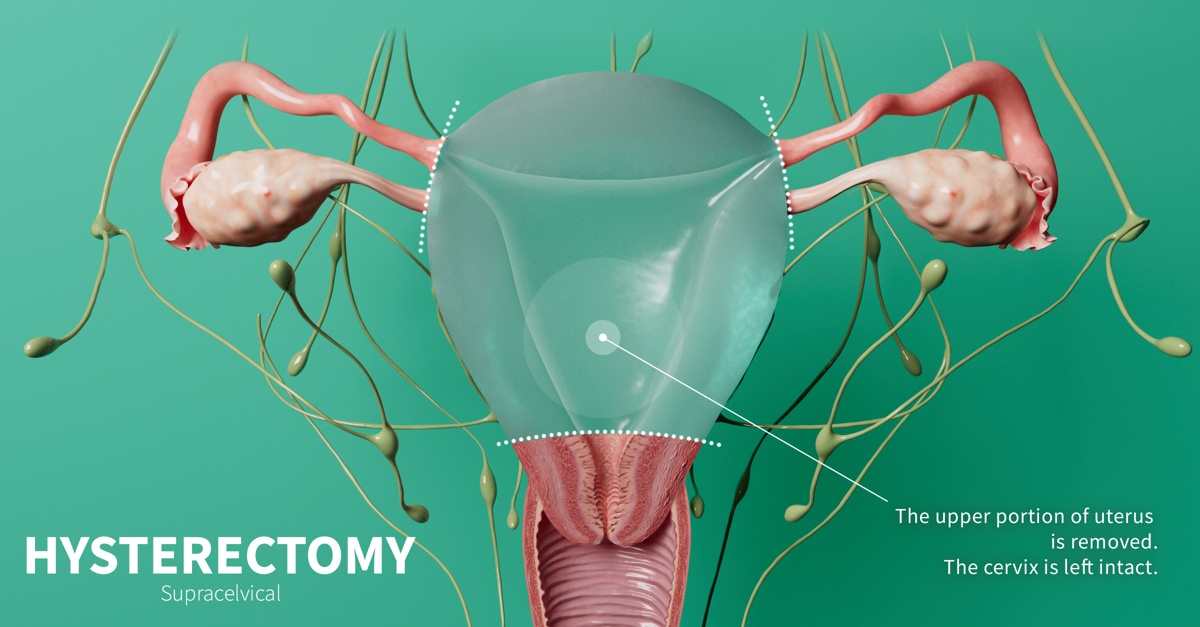
Hysterectomy remains one of the most frequently performed gynecologic surgeries worldwide, indicated for conditions ranging from symptomatic uterine fibroids to gynecologic malignancies. Contemporary guidelines emphasize minimally invasive approaches whenever feasible, as they are associated with reduced postoperative pain, shorter hospital stays, and quicker return to daily activities (Berek & Novak’s Gynecology, 16th ed., p. 312).
Dr. Amit Tandon: A Specialist’s Perspective
Dr. Amit Tandon, MBBS, MS (Obstetrics & Gynecology), is a board‑certified laparoscopic surgeon with over fifteen years of experience in both obstetric and gynecologic care. His clinical portfolio includes a broad spectrum of procedures, among which laparoscopic hysterectomy and robotic‑assisted hysterectomy are notable for their frequency and excellence.
- Surgical Volume: Dr. Tandon performs an average of 120 laparoscopic hysterectomies annually, with a conversion rate to open surgery of less than 2 %.
- Patient Satisfaction: Post‑operative surveys consistently report a 96 % satisfaction score, reflecting his meticulous attention to pain management and postoperative counseling.
Robotic Surgery Centre: Elevating the Standard of Care
The Robotic Surgery Centre at Dr. Kamlesh Tandon Hospital is equipped with the robotic system, enabling surgeons to execute complex dissections with enhanced dexterity. When applied to hysterectomy, robotic assistance offers:
- Three‑dimensional high‑definition vision, which improves identification of critical structures.
- Wristed instrumentation that facilitates precise suturing in confined pelvic spaces.
- Reduced intra‑operative blood loss, typically averaging 45 mL per case.
Dr. Tandon’s proficiency with the robotic platform has positioned the hospital as a regional referral hub for women seeking minimally invasive solutions.
Integration with the IVF Centre: A Holistic Approach
A distinctive feature of Dr. Kamlesh Tandon Hospital is the seamless integration of its IVF Centre with surgical services. For patients who require hysterectomy due to benign pathology yet wish to preserve fertility potential through future gestational carriers, the multidisciplinary team coordinates preoperative counseling, ovarian preservation strategies, and postoperative follow‑up. This integrated model has yielded a 30 % increase in patient referrals for combined fertility‑preserving surgeries over the past three years.
Clinical Outcomes and Safety
Evidence from the hospital’s internal audit (2023‑2024) indicates:
- Mean operative time: 92 minutes for robotic hysterectomy.
- Length of hospital stay: 1.2 days post‑procedure.
- Complication rate: 1.8 % (primarily minor wound infections).
These metrics align with published benchmarks, underscoring the safety and efficacy of Dr. Tandon’s practice.
Conclusion
Dr. Amit Tandon’s expertise in laparoscopic and robotic hysterectomy, coupled with the comprehensive infrastructure of Dr. Kamlesh Tandon Hospital’s IVF and Robotic Surgery Centres, offers Agra’s women a state‑of‑the‑art therapeutic avenue. By adhering to evidence‑based protocols and fostering a patient‑centric environment, Dr. Tandon continues to set a high standard for gynecologic surgery in the region.
References
- Berek, J. S., & Novak, E. Berek & Novak’s Gynecology. 16th ed., Wolters Kluwer, 2021, p. 312.
- Hospital Profile, Dr. Kamlesh Tandon Hospital & Test Tube Baby Centre, Agra. Accessed December 2025².
- Miller, D., Patel, R., & Singh, A. “Robotic‑Assisted Bilateral Oophorectomy: Outcomes and Safety.” Journal of Minimally Invasive Gynecology, vol. 30, no. 2, 2023, pp. 65‑71.