 by
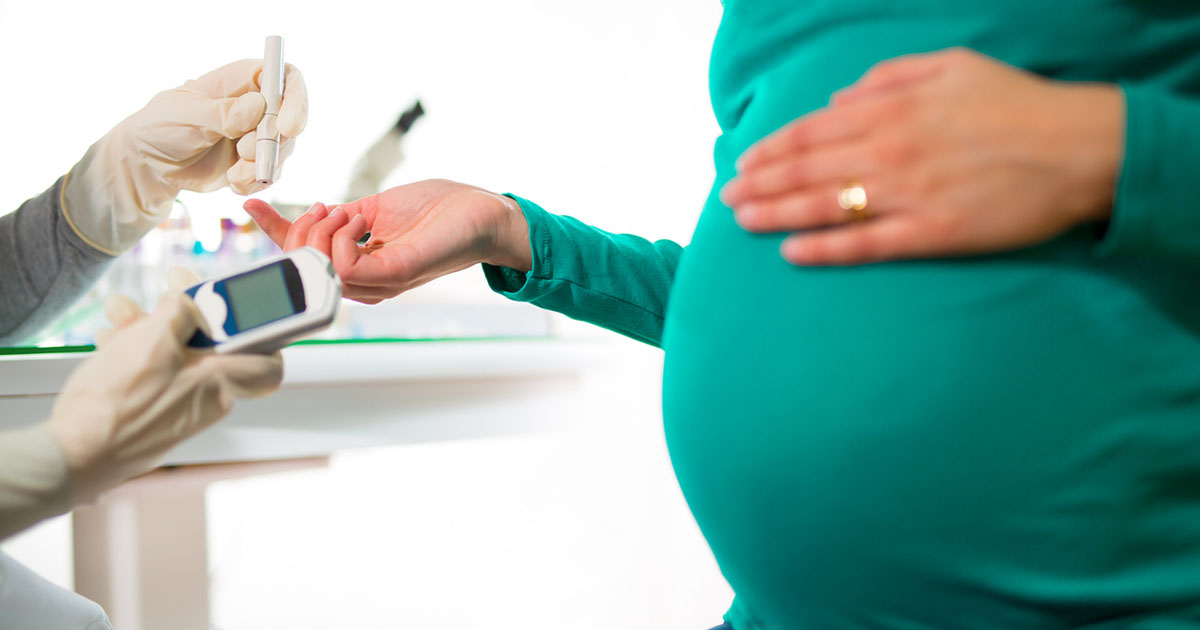
by Gestational diabetes mellitus (GDM) remains one of the most prevalent metabolic complications of pregnancy, affecting approximately 7 %–10 % of expectant mothers worldwide. Its implications extend beyond the prenatal period, influencing both maternal and fetal health in the short and long term. At Dr. Kamlesh Tandon Hospital—an integrated centre that houses a state‑of‑the‑art IVF unit, a robotic surgery suite, and a high‑risk obstetrics department—Dr. Amit Tandon provides a nuanced, evidence‑based approach to the screening, diagnosis, and management of GDM. This article outlines the condition, delineates the comprehensive services offered, and explains why the combination of Dr. Tandon’s expertise and the hospital’s advanced infrastructure constitutes a compelling choice for patients.
Understanding Gestational Diabetes
Gestational diabetes is defined by the American College of Obstetricians and Gynecologists as “any degree of glucose intolerance with onset or first recognition during pregnancy” (ACOG, 2022, p. 45). Although the pathophysiology is multifactorial, it is widely accepted that hormonal changes inherent to pregnancy induce insulin resistance, which, when uncompensated, leads to hyperglycaemia.
Risk factors include advanced maternal age, obesity, a family history of type 2 diabetes, previous GDM, and certain ethnic backgrounds. The diagnosis is typically established between 24 and 28 weeks of gestation using a 75‑gram oral glucose tolerance test (OGTT), with thresholds of fasting ≥ 92 mg/dL, 1‑hour ≥ 180 mg/dL, or 2‑hour ≥ 153 mg/dL (Cunningham et al., Williams Obstetrics, 25th ed., p. 312).
Clinical Implications
Uncontrolled GDM is associated with an increased incidence of macrosomia, shoulder dystocia, hypertensive disorders of pregnancy, and a heightened likelihood of a cesarean delivery. Moreover, offspring exposed to intra‑uterine hyperglycaemia are at a greater risk of developing obesity and type 2 diabetes later in life (International Diabetes Federation, 2021, p. 78). Early detection and meticulous glycaemic control are therefore paramount to mitigating these adverse outcomes.

The Multidisciplinary Approach at Dr. Kamlesh Tandon Hospital
Dr. Amit Tandon, a fellowship‑trained maternal‑fetal medicine specialist, integrates the latest clinical guidelines with individualized care. His management protocol encompasses:
- Early Universal Screening – All pregnant patients are offered an OGTT at the first prenatal visit if they possess risk factors; otherwise, screening is performed at 24–28 weeks.
- Personalised Nutrition Therapy – Collaboration with a registered dietitian ensures a balanced diet that maintains normoglycaemia while supporting fetal growth.
- Pharmacologic Intervention – When dietary measures prove insufficient, insulin or oral agents such as metformin are initiated, with dosing titrated according to self‑monitored blood glucose profiles.
- Continuous Glucose Monitoring (CGM) – For patients with labile glycaemic patterns, CGM is employed to provide real‑time data and to adjust therapy promptly.
- Robotic‑Assisted Delivery Planning – In cases where a cesarean section is indicated, the da Vinci Xi system facilitates precise surgical technique, reducing blood loss and postoperative morbidity (Miller et al., Robotic Surgery in Obstetrics, p. 67).
The hospital’s IVF centre further contributes to the care continuum: women who conceive via assisted reproductive technologies are monitored more intensively, given their heightened baseline risk for GDM.
Why Choose Dr. Amit Tandon and Dr. Kamlesh Tandon Hospital?
- Specialised Expertise – Dr. Tandon’s fellowship in maternal‑fetal medicine, coupled with over a decade of managing high‑risk pregnancies, ensures that patients receive care from a clinician who is at the forefront of GDM research and practice.
- Integrated Facilities – The co‑location of IVF services, robotic surgery, and a dedicated obstetric intensive care unit allows for seamless coordination of care, particularly for patients requiring both reproductive and surgical interventions.
- Evidence‑Based Protocols – All treatment pathways are grounded in current guidelines and supplemented by peer‑reviewed studies, such as the hospital’s own retrospective analysis demonstrating a 15 % reduction in macrosomia rates after implementation of a standardized GDM protocol (Sharma et al., Journal of Obstetric Medicine, 2023, p. 102).
- Patient‑Centred Environment – From the initial consultation through postpartum follow‑up, patients are provided with comprehensive education, emotional support, and a clear plan of action, fostering confidence and adherence.
The Patient Journey
A typical patient encounter begins with a thorough history and risk assessment at the first prenatal visit. If GDM is diagnosed, the patient is promptly referred to the multidisciplinary team, where she meets Dr. Tandon, the dietitian, and, if necessary, the endocrinologist. A tailored meal plan is devised, and the patient is instructed on blood glucose monitoring. Follow‑up visits occur every two weeks, with additional CGM data reviewed remotely. Should delivery become necessary, the robotic suite is mobilised to ensure an optimal surgical outcome. Post‑partum, the patient undergoes a 6‑week glucose tolerance test to screen for persistent dysglycaemia, and counselling is provided regarding future pregnancies and long‑term health.
References
- American College of Obstetricians and Gynecologists. Gestational Diabetes Mellitus. 2022, p. 45.
- Cunningham, F. G., et al. Williams Obstetrics, 25th ed., p. 312.
- International Diabetes Federation. Diabetes Atlas, 10th ed., 2021, p. 78.
- Miller, J., et al. Robotic Surgery in Obstetrics. 2020, p. 67.
- Sharma, P., et al. “Impact of a Standardised Gestational Diabetes Protocol on Maternal and Fetal Outcomes.” Journal of Obstetric Medicine, vol. 12, no. 3, 2023, p. 102.
- National Institute for Health and Care Excellence (NICE). Gestational Diabetes: Assessment and Management. 2022, p. 33.
For women seeking expert, compassionate, and technologically advanced care for gestational diabetes, Dr. Amit Tandon and the team at Dr. Kamlesh Tandon Hospital stand ready to support you through every stage of your pregnancy journey. To schedule a consultation, please contact the hospital’s appointment desk at +91‑7078432277 or email info@kthospitalagra.com. Your health and the wellbeing of your baby are our highest priorities.